Hawai‘i Volcanoes National Park protects some of the most unique geological, biological, and cherished cultural landscapes in the world. Extending from sea level to 13,680 feet, the park encompasses the summits of two of the world's most active volcanoes - Kīlauea and Mauna Loa - and is a designated International Biosphere Reserve and UNESCO World Heritage Site.
344.8Kacres of parkland
1.9Mrecreation visits, 2025
Jan · Feb · Sepnearby climate picks
Seasonal access & reservations
No reviewed guidance for this selection. Check the park's official planning pages; missing coverage does not establish access.
Selected guidance only; separate from climate comfort and current conditions.
Official conditions Not checked
The conditions feed has not been connected for this park.
Editorial recommendations, reviewed 2026-10-17. Full park days, excluding travel to and from the region. A first-visit outline for a general traveler; adapt to mobility, fitness, season, reservations, and current conditions. These are suggested days, not reserved activities or guaranteed routes.
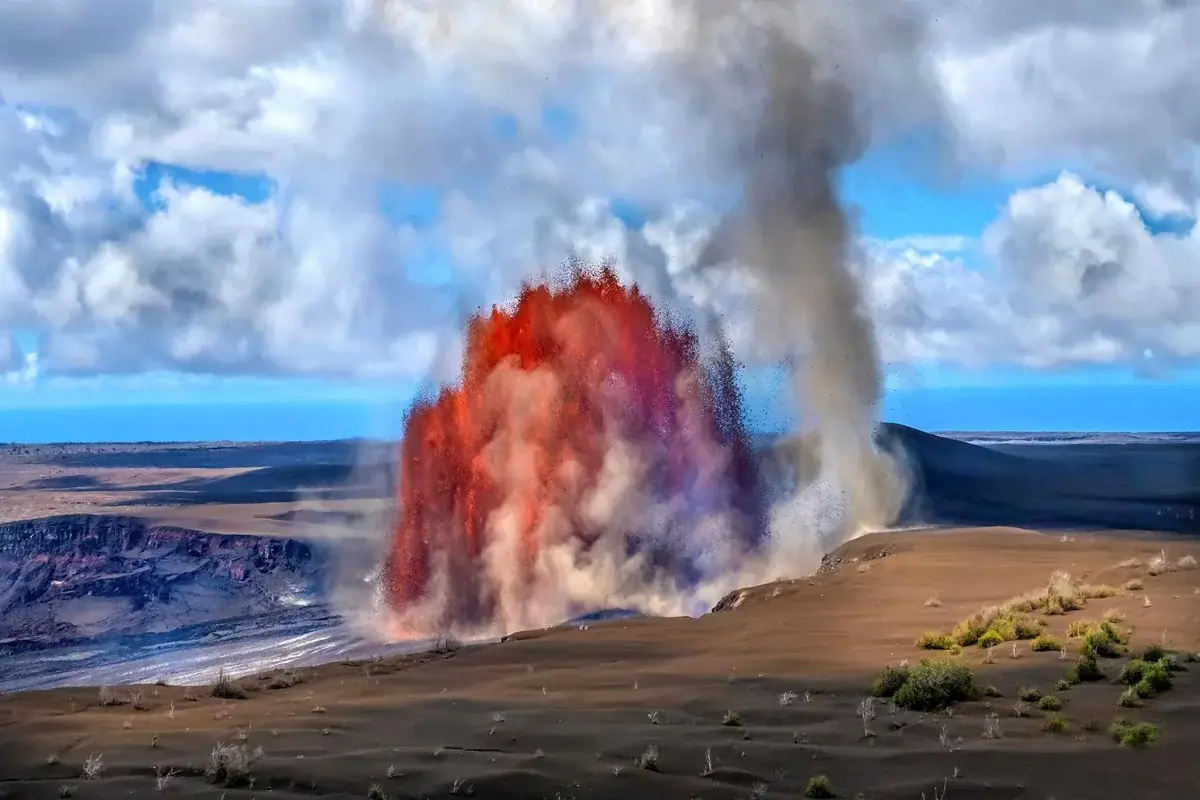
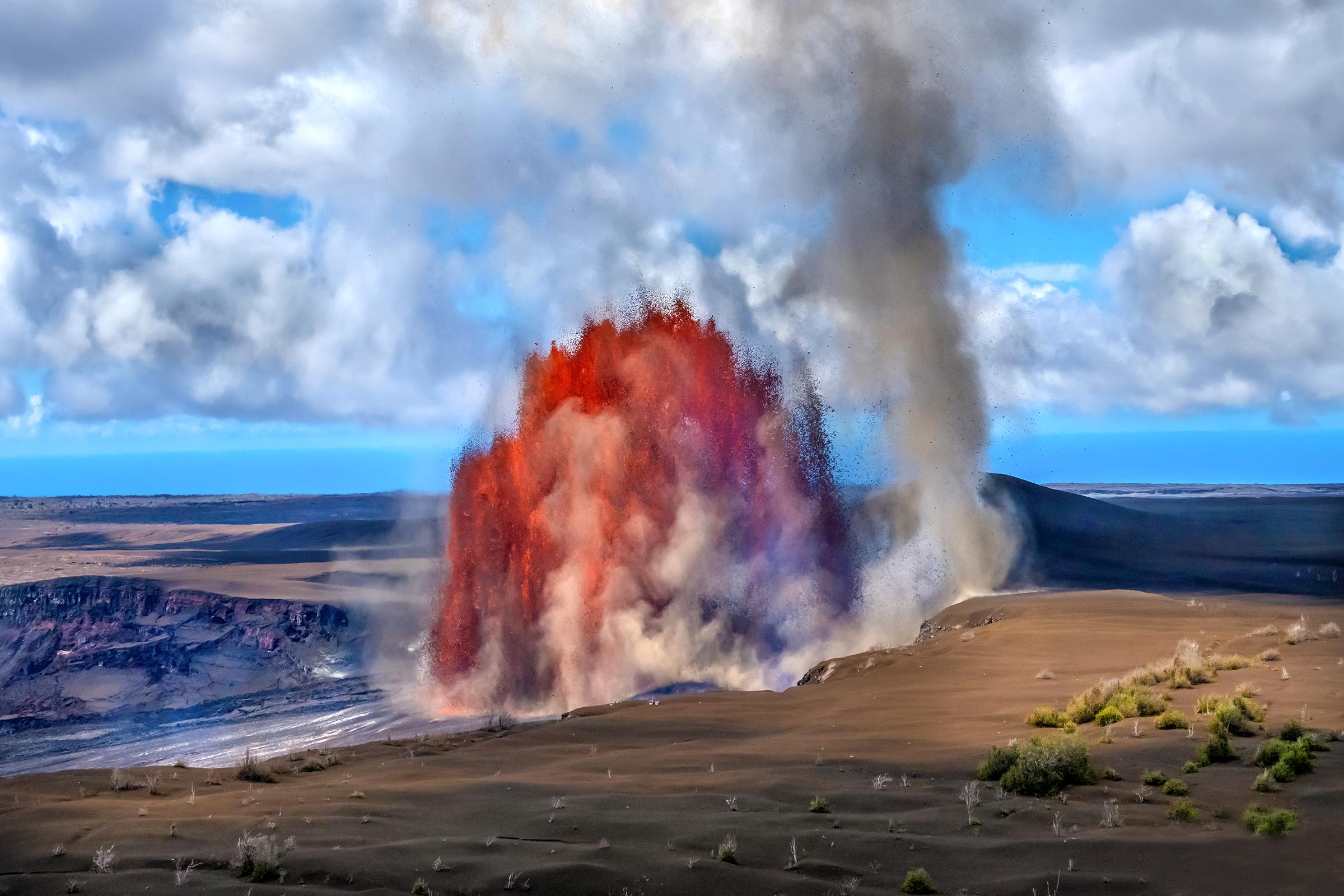
When the volcano is active, you can observe lava fountains, flowing lava, and a strong glow, especially at night.
During a pause, volcanic activity is minimal, with little to no eruptions, though a faint glow at night from previously erupted lava may still be visible.
Where are the Best Eruption Viewing Locations?
Loading results...
Eruption Viewing Tips
Arrive early to enjoy stunning views and avoid crowds.
Bring essentials like a headlamp for nighttime visits, sturdy shoes, warm clothes, and a rain jacket. Protect yourself from airborne tephra and use eye protection, wear long sleeves, long pants and bring a dust mask.
Stay out of closed areas for your safety. Rope lines and hazard signs protect you from dangerous volcanic fumes, sudden collapses, and hidden cracks. Air quality is important—check before and during your visit.
Park in designated areas only and watch for pedestrians. Do not block emergency access or traffic lanes. You will get towed.
Look out for nēnē (Hawaiian geese) on roads, roadsides and parking lots. Never feed nēnē and give them space.
Have respect: The Kīlauea eruption is a reminder of sacredness in Hawaiʻi. Watch quietly and learn about the cultural significance of the land to Native Hawaiians.
Get a live look inside the park, courtesy of USGS Hawaiian Volcano Observatory.
Parking lots can be full by 10 am. Find out where and when you stand a better chance of finding an available parking space.
Weather and Climate
Be prepared for the island's unpredictable weather.
Many hazards exist in this dynamic landscape. Be prepared and informed so your visit is safe and enjoyable.
A 6.6 mile hike from the Puna Coast trailhead, along the south-facing shore of the park
A small, rocky bay accessible via a hike through rough, exposed lava fields and grasses
Located on the southern seacoast of the park, a popular destination for hearty wilderness hikers
This remote coastal site with dramatic pali views is accessible via a steep downhill trail with many switchbacks
A strenuous, high-elevation hike on the largest active volcano on Earth
Trek across lava fields and through rainforest to the gigantic Nāpau Crater
An open, expansive site surrounded by grass and lava fields
To secure a backcountry permit for overnight stays in Hawaiʻi Volcanoes National Park, follow these steps: 1. Make your reservations online up to 90 days in advance through the Recreation.gov system. 2. After making the reservation, check-in up to seven days before your trip at the Backcountry Office, open daily from 8 a.m. to 4 p.m., including holidays. 3. During the check-in, pick up your permit and receive a safety briefing. Note: 75% of backcountry permits are available online, while the remaining 25% can be obtained in person at the Backcountry Office seven days before your start date. Walk-ins for backcountry permits are still accepted at the Backcountry Office, but payments must be made through the Recreation.gov system. The backcountry permit fee is a non-refundable $10 fee per trip, payable by debit or credit card, in addition to the park entrance fee. Cash payments are no longer accepted at the Backcountry Office. The fee is good for up to 12 people and 7 nights per permit. Failure to obtain a backcountry permit is a violation of 36 CFR 2.10(b)(8). Violators may be subject to fines up to $1000 and/or 6 months in jail. All eight backcountry campsites (Ka‘aha, Halapē, Keauhou, ‘Āpua Point, Nāpau, Pepeiao Cabin, Red Hill Cabin and Mauna Loa Cabin) require a permit, with a stay limit of three consecutive nights at one site. Campers can move to another backcountry site for the fourth night, but no more than 7 consecutive nights per permit. Stays longer than 7 nights require purchasing an additional $10.00 permit. Exceptions:
Permits for campers using watercraft to access coastal camping areas may be done over the phone.
Backcountry Office contact information: Telephone - 808-985-6178 R each us by e-mail .
Map and directions to the Backcountry Office ( jpg - 784KB ) (opens in new window)
First aid kit Trail map Emergency food supply, cookstove, fuel, utensils (Open fires and smoking are prohibited) Flashlight & extra batteries Biodegradable soap, toilet paper Signaling device (mirror, etc.) Minimum 3 to 4 quarts/liters water per person/day Tent/bivy sack Broken-in sturdy boots, moleskin Sunglasses, sunscreen, hat Sleeping bag Rain pants and jacket NOTE: There may be other equipment necessary for your particular destination. Check with rangers for specific campground, cabin, and trail recommendations!
Emergency food supply, cookstove, fuel, utensils (Open fires and smoking are prohibited)
Flashlight & extra batteries
Biodegradable soap, toilet paper
Signaling device (mirror, etc.)
Minimum 3 to 4 quarts/liters water per person/day
Broken-in sturdy boots, moleskin
Sunglasses, sunscreen, hat
Rain pants and jacket
NOTE: There may be other equipment necessary for your particular destination. Check with rangers for specific campground, cabin, and trail recommendations!
Protect Plants, Animals, and Archeological Sites
Turtles - Endangered hawksbill sea turtles nest and threatened green sea turtles rest on park beaches. Do not camp in areas posted as turtle nesting areas at `Āpua, Halapē, and other beaches. Federal and state laws protect all sea turtles from harm. Submit reports of honuʻea (hawksbill sea turtles) sightings (PDF- 167 KB) Archeology - Respect and help protect Hawaiian archeological sites. Do not climb on or alter any rock structures, such as walls, house platforms, pits, and mounds. Avoid walking on or making rubbings of petroglyphs. Fishing - Fishing along the coastline from the park's eastern boundary to a point midway between Keauhou and Halapē is restricted to Native Hawaiian residents of the Kalapana area. It is your responsibility to understand and obey all fishing regulations. Swimming - There are very few sheltered swimming sites along the coast. Rough seas, high surf and strong, unpredictable currents are typical of the park's coastline. Avoid entering the open ocean. Help protect the rare plants and animals that live in tidepools and brackish ponds - rinse off all soap and sunscreen before entering them. Pets and Stock Use - Dogs (except service animals) and other pets are not allowed on park trails or in wilderness areas. Horses, donkeys, and mules are allowed in the backcountry with a valid backcountry permit (limit of 6 animals per site). Tether livestock at least 100 feet from campsites in an area that presents no hazard or sanitation problems to other campers. Hikers encountering horse parties should quietly step off the trail and allow the animals to pass.
Visiting the park by car is easy to do. The two main roads visitors will travel are Crater Rim Drive and Chain of Craters Road . All roads in the park are two-wheel drive roadways and do not require four-wheel drive vehicles.
Start your visit at the Welcome Center located just beyond the park's entrance station 1.2 miles on the right. Here, you will receive the latest information on trails , ranger-led activities , road conditions, and safety precautions . Then begin your tour at Uēkahuna and work your way clockwise along Crater Rim Drive.
Use the links below to familiarize yourself with scenic stops along Crater Rim Drive. Weather may be cool, windy, and rainy. Bring shoes, raingear, jackets, hats, bottled water, and snacks if you plan to venture out of your car at these viewpoints.
Nēnē Protection Nēnē (Hawaiian goose) is a federally protected species that needs your protection. Watch for nēnē on roads. Cars are the leading cause of adult nene deaths in the park. DO NOT FEED the nēnē. Nene that are fed by visitors learn to beg for food and approach moving cars.
There is limited service along Chain of Craters Road. Emergency phone is located at Puʻuloa petroglyph trailhead.
Chain of Craters Road is an exceptionally scenic and spectacular drive
Chain of Craters Road (formerly Cockett's Trail) was dedicated on April 15, 1928. Built at a cost of $148,000, it ended at the rim of Makaopuhi crater. Chain of Craters Road to the coast (to Kalapana) from Makaopuhi was opened in 1965, and then partly buried in 1969 at the start of the Maunaulu eruption. Post-Maunaulu eruption, Chain of Craters Road was realigned and reopened in June 1979.
The coastal region of the park was home to a number of villages; Kamoamoa, Laeʻapuki, Kealakomo and others. Numerous trails, home sites, heiau (temple), petroglyphs and agricultural sites attest to the complex uses of this area over the centuries since first human settlement. During the 13th Century, Hawai‘i's first luakini heiau (a temple designated for human sacrifices) was built by Priest Pa‘ao. Waha‘ula heiau was consecrated to the god Kū and remained in use till 1819 after King Kamehameha died. This and thousands of other archeological sites have been buried under lava since 1969.
During the eruption of Puʻuʻōʻō, lava flowed repeatedly over Chain of Craters Road/Highway 130. The park's acreage was been increased by hundreds of acres and nearly 9 miles (14.5 km) of road were inundated by the flows. In June 1989, Waha‘ula Visitor Center and associated buildings were burnt and covered by lava. The Waha‘ula heiau was surrounded by lava more than once and finally buried entirely in August 1997. The Kamoamoa village site, heiau, campground, picnic area, and black sand beach were covered by lava in November 1992.
Presently, Chain of Craters Road is 18.8 miles (30.3 km) to the end of the road. No food, water, or fuel is available along Chain of Craters Road. Vault-type toilets are available at Maunaulu parking area and at the end of the road.
Nēnē Protection Nēnē (Hawaiian goose) is a federally protected species that needs your protection. Watch for nene on roads. Cars are the leading cause of adult nēnē deaths in the park. Do not feed nēnē. Nēnē that are fed by visitors learn to beg for food and approach moving cars.
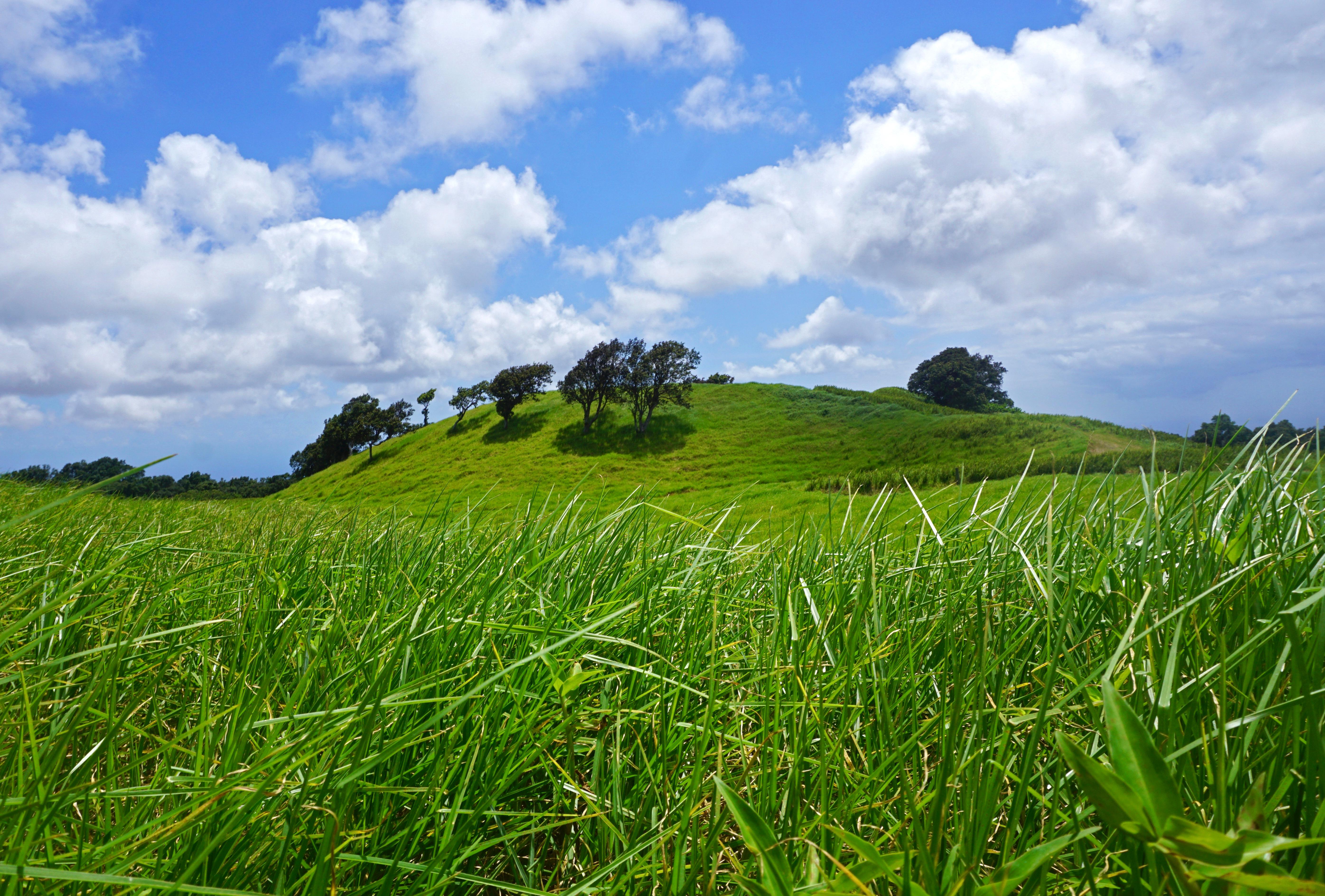
A rolling, pastoral landscape on the slopes of the largest volcano on the planet
Hours and Location
Kahuku Unit will be open Thursdays through Sundays from 8 a.m. to 4 p.m. Kahuku is located in the district of Kaʻū, near mile-marker 70.5 on Highway 11, a one-hour drive from Kīlauea Visitor Center. Potable water is not available at the park unit. Kahuku Road above the cross fence is open to 4WD vehicles, providing easier access to Kona Trail and Upper and Lower Glover Trail.
Kahuku Unit will be open Thursdays through Sundays from 8 a.m. to 4 p.m.
Kahuku is located in the district of Kaʻū, near mile-marker 70.5 on Highway 11, a one-hour drive from Kīlauea Visitor Center.
Potable water is not available at the park unit.
Kahuku Road above the cross fence is open to 4WD vehicles, providing easier access to Kona Trail and Upper and Lower Glover Trail.
The Kahuku Unit has a variety of options for day hikes:
Pu‘u o Lokuana Cinder Cone Hike this short, but strenuous climb to the top of Pu‘u o Lokuana cinder cone. 0.4 mile (0.35 km) loop, 130 feet (40 m) elevation change
Pu‘u o Lokuana Trail Take the trail along historic ranch roads to a hidden pasture. See lava tree molds and the flows from 1868. 2 miles (3.2 km) loop, 130 feet (40 m) elevation change
Kamakapa‘a Trail Follow this easy trail through grassy meadows to the top of a small cinder cone. Sweeping views from the top take in the full breadth of lower Ka‘ū. 1/2 mile (0.8 km) loop 40 feet (12 m) elevation change
Palm Trail Hike or bike through scenic pastures for one of best panoramic views in Kahuku. See volcanic features along the 1868 fissure and cross the main lava channel. 2.6 miles (4.2 km) loop 310 feet (95 m) elevation change
Pali o Ka‘eo Trail Walk the trail through woodland meadows along the top of the steep grassy slope. Vistas along the way take in the coast of Ka‘ū from Ka Lae (South Point) to Nā Pu‘u o Pele. Make it a loop and return by walking a portion of the Pit Crater trail and road. 2.1 miles (3.4 km) 410 feet (125 m) elevation change
Pit Crater Trail This strenuous hike leads steeply up old pasture roads to the edge of a huge pit crater. Continue hiking for an additional 1.7 mile (2.8 km) loop before returning on the same trail. Hikers must decontaminate at the ROD Quarantine Gate. 2.4 miles (3.9 km) from Pit Crater Trailhead to the Forested Pit Crater, 1,165 feet (335 m) elevation gain
The Glover Trail This hike culminates on the edge of a huge pit crater with a pristine Hawaiian rainforest protected within its sheer walls. 3.2 miles (5 km) round-trip from Lower Glover Trailhead. 5.6 mile (8.8 km) round-trip loop to the Forested Pit Crater from ROD quarantine gate. Additional, 1.6 mile (2.6 km) round-trip spur trail towards 1926 flow. Hikers must decontaminate at the ROD quarantine gate.
The Kona Trail Experience relics of Kahuku’s ranching era as you hike through pasture land and across the 1887 lava flow on this trek. 4.6 miles (7.3 km) round-trip from Lower Glover Trailhead. 7 mile (11.1 km) round-trip from the ROD quarantine gate. Hikers must decontaminate at the ROD quarantine gate.
The Kahuku Unit has a variety of ranger programs available. Visit the park calendar for more information.
15 minute orientations for Kahuku are available by request at the visitor contact station.
“A vast serpent upon the beautiful pasture lands”
Photos of the Kahuku Unit
From the first arrival of Polynesians to the ranching period, Kahuku has a rich and varied past
These Hawaiian cowboys managed livestock on the large ranches of Hawaiʻi Island, including at Kahuku
One of the deadliest disasters in Hawaiian history
Walls and mounds that helped grow crops to feed the people of Kaʻū are still visible in Kahuku today
Please help prevent the spread of this terrible disease
Official NPS features and USGS park boundaries, imported 2026-10-17. An inventory snapshot, not live trail or parking availability.
Loading official park features…
TrailsPoints of interestParkingZoom with buttons or pinch. Toggle layers on the map.
Map coverage varies. Trail names may represent segments, connectors, or shared park units; mapped lines are not a hiking recommendation. Use official conditions and navigation resources before heading out.
NPS public GIS inventory, imported 2026-10-17. “Existing” is an inventory classification, not confirmation that a trail is open. Segment counts are not route distances. Parking records do not indicate space availability, fees, or accessibility certification. View government source ↗
Climate for Hilo, 41 km from the park reference point. 1991–2020 normals. Source elevation: 18 m.
Daytime highNighttime lowOctober: 77° / 71°
Daytime high77°
Precipitation136 mm
Daylight11.5 hrs
Wind9.2 km/h
Mountain, rim, valley, and coastal conditions can differ sharply from the source town. Check park forecasts and current conditions before travel.
Monthly climate data 12 months · °F
Month
High
Low
Rain / snow water
Wet days
Daylight
73°
67°
147 mm
16.8
10.9 h
72°
67°
167 mm
17.2
11.3 h
72°
67°
232 mm
23.5
11.9 h
73°
68°
180 mm
24.8
12.4 h
74°
69°
144 mm
23.7
12.9 h
75°
70°
119 mm
24.1
13.2 h
76°
71°
144 mm
25.8
13.1 h
77°
72°
171 mm
25.6
12.7 h
77°
72°
115 mm
22.0
12.1 h
77°
71°
136 mm
23.0
11.5 h
75°
70°
191 mm
23.2
11.1 h
73°
68°
200 mm
22.2
10.8 h
RESEARCH WITH THE SOURCE IN VIEW
The practical field guide.
Official NPS excerpts imported 2026-10-17. Fees, permits, road access, and operations can change; use the source link to confirm the latest information.
Hawai‘i Volcanoes National Park is a wild place. The dramatic volcanic landscapes are constantly being shaped by powerful and uncontrollable natural forces. While barriers exisit, park staff and partners are working hard to correct and resolve accessibility deficiencies throughout the park. By using principles of universal design, Hawai‘i Volcanoes National Park is committed to providing physical access to the greatest number of individuals. From designing and building new facilities to the rehabilitation of older buildings, accessibility has become a key component of all projects.
Drinking Water Water can be purchased at Volcano House hotel.
Restrooms Kīlauea Iki, Devastation parking lot, Maunaulu, Kīpukapuaulu picnic area, Maunaloa Lookout, and the turnaround at the end of Chain of Craters Road all have wheelchair accessible restrooms or vault toilets.
Wheelchairs Currently the Welcome Center , Volcano House , and Volcano Art Center are wheelchair accessible. Wheelchairs are available upon request, first come, first served at the Welcome Center. Most of the Sulphur Banks Trail is wheelchair accessible if you begin from the Kūkamāhuākea (Steam Vents) parking lot to the west. The short gravel trail (0.1 miles in length) from the Kūkamāhuākea (Steam Vents) parking lot to the Wahinekapu (Steaming Bluff) is also possible for wheelchairs to traverse. Kīlauea Overlook is accessible on a short asphalt path from the parking area. Devastation Trail is accessible from the parking area to the trailhead, and the trail is possible for wheelchairs to traverse with assistance.
American Sign Language Interpretation To request an American Sign Language (ASL) interpreter for a ranger talk or park program please call (808) 985 6011 or request via email . A minimum of 14 days advanced notice is required.
Get an entrance pass All visitors must have one of these entrance passes: Pass Price Standard Pass $15.00–$30.00 Hawai'i Tri-Park Annual Pass $55.00 America the Beautiful Pass (includes Senior Passes) FREE–$250.00 Help me choose an entrance pass
Plan to go cashless This park does not accept cash.
Choosing an Entrance Pass
Do you have or qualify for a discounted America the Beautiful Pass?
If you already have an America the Beautiful—the National Parks and Federal Recreational Lands Pass, that's the only entrance pass you need. Seniors, military, visitors with a permanent disability, and families with a 4th grader are eligible for a free or discounted America the Beautiful pass.
America the Beautiful Pass
How often do you plan to visit national parks in the next 12 months?
If you don't qualify for a discounted America the Beautiful pass, we recommend choosing an entrance pass based on your trip plans.
Entrance Passes
The annual pass is valid for entrance fees for pass holder and occupants of a single, private, non-commercial vehicle at Hawai'i Volcanoes National Park, Haleakalā National Park, and Puʻuhonua o Hōnaunau National Historical Park.
Hawai'i Tri-Park Annual Pass
Standard Entrance Pass
If you enter the park in a motorized vehicle, your entrance pass covers both you and your passengers. Your passengers do not need a separate pass.
Costs for vehicles with more than 15 passengers are listed below under Organizations and Businesses .
Private Vehicle $30.00
In-person Purchase Locations
Hawai'i Volcanoes National Park Entrance Station Credit/Debit Only
Motorcycle $25.00
For Individuals without a Vehicle
If you enter the park on a bicycle or on foot and are at least 16 years old, you need your own entrance pass. Children under the age of 16 don't need an entrance pass.
Per Person $15.00
For Organizations & Businesses
Commercial Mini-bus (16-25 seats) $100.00
Commercial Motor Coach (26+ seats) $200.00
Commercial Group (Per Person) $15.00
Valid for 12 months from purchase month. Admits the pass holders and occupants in a private, non-commercial vehicle (15 max capacity or less), or passholder and 3 additional adults to Haleakalā National Park, Hawaiʻi Volcanoes National Park and Puʻuhonua ʻO Hōnaunau National Historical Park.
US citizens and residents
America the Beautiful—the National Parks and Federal Recreational Lands Pass
Covers entrance fees and standard amenity (day-use) fees at lands managed by
National Park Service
US Fish & Wildlife Service
US Forest Service
Bureau of Land Management
Bureau of Reclamation
US Army of Corps of Engineers
Depending on the type of entrance fee charged at a site, covers One private vehicle fee or Four per person fees
America the Beautiful Passes are non-refundable, non-transferable and cannot be replaced if lost or stolen . Passholders must show valid photo identification (ID) with each pass.
How to Get an America the Beautiful Pass
Physical passes can be purchased or picked up at over 1,000 federal recreation sites.
Purchase and pickup locations
To receive your pass by mail, order online at the USGS Online Store . Online orders are for physical passes, not digital passes, and may take up to three weeks to be processed and delivered. Order receipts may not be used in place of a physical pass. We recommend ordering at least three weeks in advance of your visit, or picking up a pass in person instead.
Skip the wait! Get a Digital America the Beautiful Pass through recreation.gov. Your digital pass can be saved to a mobile device and used immediately.
Get a Digital America the Beautiful Pass
2026 Free Entrance Days in the National Parks
Come experience the national parks! All National Park Service sites that charge an entrance fee will offer free admission to US citizens and residents (other fees, including timed entry or reservation fees, may apply). Mark your calendar for these entrance fee-free dates:
February 16 : Presidents Day (Washington's Birthday)
May 25 : Memorial Day
June 14: Flag Day/President Trump's birthday
July 3–5: Independence Day weekend
August 25: 110th Birthday of the National Park Service
September 17: Constitution Day
October 27 : Theodore Roosevelt's birthday
November 11: Veterans Day
Regulations and Exceptions
All passes are non-transferable.
Passes may be used for entry as defined on the back of the pass.
Large vehicles, defined as more than 26 feet in length and/or more than eight feet wide, are ONLY allowed to operate on Crater Rim Drive to Kīlauea Visitor Center, Kūkamāhuākea (Steam Vents), Uēkahuna, and on Mauna Loa Road to the Kīpukapuaulu turnabout.
Non-commercial groups entering the park in a bus or vehicle with a capacity of 16 persons or more will be charged $15.00 for each person on board. For more information contact the park at (808) 985-6000.
Anyone who is 15 or younger is exempt from paying an entrance fee.
Commercial Tour Fees
These fees are charged only to commercial organizations, such as tour companies. A Commercial Use Authorization is required. Fees vary based passenger capacity of the vehicle and type of tour being given.
Education Fee Waiver
Accredited schools with students ages 15 and under, who are visiting the park for a curriculum-based program, no longer need to apply for a fee waiver for free entry. Simply fill out the Education Program Request form on the Ranger-led/Self-guided Field Trip webpage. Any school planning a visit, with or without rangers, must use this form. For students ages 16 and over, a section of this form includes the new fee waiver application.
Other Fees & Permits
Campgrounds - Learn more about camping reservations, regulations, and fees.
Pass
Price
Standard Pass
$15.00–$30.00
Hawai'i Tri-Park Annual Pass
$55.00
America the Beautiful Pass (includes Senior Passes)
FREE–$250.00
I'm visiting...
We recommend
This park, once
Standard Pass
Visitors who will only visit Hawai'i Volcanoes National Park and Haleakala National Park, and Pu'uhonua o Honaunau National Historical Park.
Hawai'i Tri-Park Annual Pass
More than one national park or federal recreation site
America the Beautiful Pass
Type
Available to
Price
Resident Annual Pass
US citizens and residents
$80.00
Non-Resident Annual Pass
Non-US residents
$250.00
Senior Annual Pass
US citizens and residents 62+ years old
$20.00
Senior Lifetime Pass
US citizens and residents 62+ years old
$80.00
Military Annual Pass
Current US military and dependents
Free
Military Lifetime Pass
Gold Star Family members and veterans
Free
Access Pass
US citizens and residents with permanent disability
Free
4th Grade Pass
US 4th graders
Free
Volunteer Pass
Federal recreation site volunteers with 250 service hours
Free
Pass
Price
Standard Pass
$15.00–$30.00
Hawai'i Tri-Park Annual Pass
$55.00
America the Beautiful Pass (includes Senior Passes)
FREE–$250.00
I'm visiting...
We recommend
This park, once
Standard Pass
Visitors who will only visit Hawai'i Volcanoes National Park and Haleakala National Park, and Pu'uhonua o Honaunau National Historical Park.
Hawai'i Tri-Park Annual Pass
More than one national park or federal recreation site
America the Beautiful Pass
Type
Available to
Price
Resident Annual Pass
US citizens and residents
$80.00
Non-Resident Annual Pass
Non-US residents
$250.00
Senior Annual Pass
US citizens and residents 62+ years old
$20.00
Senior Lifetime Pass
US citizens and residents 62+ years old
$80.00
Military Annual Pass
Current US military and dependents
Free
Military Lifetime Pass
Gold Star Family members and veterans
Free
Access Pass
US citizens and residents with permanent disability
Free
4th Grade Pass
US 4th graders
Free
Volunteer Pass
Federal recreation site volunteers with 250 service hours
Hawai‘i Volcanoes National Park is located on the Island of Hawai‘i. From Hilo: 30 miles southwest on Highway 11 (45 minute drive) From Kailua-Kona: 95 miles southeast on Highway 11 (2 to 2.5 hour drive), or 125 miles through Waimea and Hilo via Highways 19 and 11 (2.5 to 3 hours). From Waikoloa: 90 miles southeast on Highway 200 (2 hour drive). There is no shuttle bus or public transportation within the park.
Park Headquarters are located at the Welcome Center.
Getting to the Island of Hawaiʻi
Hilo International Airport is serviced by inter-island carriers Hawaiian Airlines and Southwest Airlines. Ellison Onizuka Kona International Airport is served by many major airlines flying trans-Pacific routes and inter-island carriers Hawaiian Airlines and Southwest Airlines.
More information about current airlines servicing the Hilo Airport can be found here: http://hawaii.gov/ito/customer-service/airlines-at-ito
More information about current airlines servicing the Kona Airport can be found here: http://hawaii.gov/koa/customer-service/airlines-at-koa
Rental cars are the most popular mode of transportation for park visitors and may be reserved at both Hilo and Kona airports and other island locations. No rental vehicles or bicycles may be obtained in the park.
Public Transportation
Hele On Bus , an island-wide public bus service operated by Hawaiʻi County, includes daily stops. Hele On will drop off and pickup passengers at the intersection of Volcano House and the second entrance to Kīlauea Visitor Center. Please be aware, Hele On bus schedules are subject to change and delays. There is no public transportation or shuttle service available within the park.
The park is located in a rural area of the island, 30 miles away from the closest population center with rideshare drivers. Due to extremely limited driver availability, rideshare apps are very difficult and sometimes impossible to use within the park.
View and download maps of the park
Hawai‘i Volcanoes National Park charges entry fees which are used to help maintain park infrastructure and support visitor services.
Weather and Climate
Be prepared for the island's unpredictable weather.
Hawai‘i Volcanoes National Park presents unique safety hazards due to its active volcanic environment and diverse landscapes. Visitors may encounter unstable ground, sharp volcanic rocks, and hidden lava tubes that pose risks of injury. The park’s volcanic activity can produce hazardous gases like sulfur dioxide, which may be harmful to people with respiratory conditions. Weather conditions can also change rapidly, with intense rain, heat, cold and wind creating additional challenges. In coastal areas, unpredictable waves and strong currents make the ocean particularly dangerous. Staying informed, following park regulations , and being prepared are essential for a safe visit.
Hazardous volcanic gasses can present a danger to sensitive groups of people. Frequently check the air quality during your visit.
Safety Tips for Volcano Viewing
Viewing an eruption is a once in a lifetime experience, but it comes with risks. By being prepared, following safety guidelines, and staying in designated areas, you can safely enjoy this incredible natural phenomenon.
Never enter closed or restricted areas —established eruption viewing overlooks are in place for your safety. Entering closed areas can cause serious injury or death.
Stay on marked trails and overlooks.
Stay informed about current volcanic activity .
Hazardous volcanic gases pose a risk, especially to those with heart or respiratory issues, infants, children, and pregnant women; check air quality alert before visiting.
Both Pele hair and volcanic ash are abrasive and can irritate eyes, skin and the respiratory system. The best protection is to limit exposure. Do not handle Pele hair. Consider wearing protective clothing and equipment, like a brimmed hat, gloves, long sleeves, pants, eye protection, and a face mask if you cannot limit your exposure. Rinse off surfaces like vehicles to prevent damage. Pele's Hair Safety Fact Sheet (93 KB)
Wear appropriate clothing and sturdy footwear. If you are visiting at night, bring warm clothes and raingear; check the weather before visiting.
Keep a safe distance from earth cracks, cliff edges, vents, fumaroles, and lava flows.
Carry a first aid kit, flashlight, and extra water.
Use protective gear such as masks and goggles during ashfall.
Follow ranger guidelines and evacuation routes during unsafe volcanic activity.
Safety Tips for Driving
Driving along Crater Rim Drive , Chain of Craters Road , Hilina Pali Road, and Maunaloa Road can be an incredible experience, but it’s important to be aware of the unique challenges they present. With narrow roads, sharp curves, and stunning views that can be distracting, driving can also be the most dangerous activity you’ll do while visiting the park. Follow these safety tips to ensure a safe and enjoyable visit:
Stay alert : The scenic views, wildlife, your navigation system, phone, and passengers can all be distracting. Keep your attention on the road at all times.
Avoid distractions : Take time to stop at designated viewpoints to enjoy the scenery, rather than trying to take in the views while driving.
Don’t rush : The park's roads are narrow, with slower speed limits and sharp curves. There’s no need to hurry – take your time to explore and enjoy the surroundings.
Plan your route : Be aware that some areas may require extra time due to road conditions or traffic from park visitors.
Buckle up : Seat belts are the law in Hawai'i, and they are the most effective way to prevent serious injury or death in case of an accident. Ensure all passengers are wearing their seatbelts at all times.
Watch out for pedestrians and wildlife : Be alert for pedestrians walking along or crossing roads, especially near popular attractions and trailheads. Wildlife such as the federally protected nēnē , and invasive kalij pheasants, feral pigs, and mongoose can cross without warning.
Look for bicycles and motorcycles : Park roads can be used by cyclists and motorcyclists, often in narrow lanes. Always check your mirrors and blind spots before merging, turning, or changing lanes.
Drive defensively : Be prepared for unexpected turns, sudden stops, and slower vehicles. Keep a safe distance from the car ahead of you.
Stay within posted speed limits : Adhere to speed limits, especially on winding or unfamiliar roads, to give yourself enough time to react.
Check for road closures : Always check for updates on road conditions. Certain areas may be closed due to volcanic activity or other hazards.
Carry emergency supplies : Bring a first aid kit, plenty of water, and snacks. Cell phone service may be limited in some areas of the park, so prepare accordingly.
Know the weather : Weather conditions can change quickly, especially in volcanic areas. Be prepared for rain, fog, or other adverse weather.
Safety Tips for Hiking
Hiking offers an incredible opportunity to explore the diverse volcanic landscapes, but it’s important to stay safe while enjoying nature. Follow these tips to ensure a safe and enjoyable hiking experience:
Use only open trails : Always stay on marked, open trails. Closed areas and trails are dangerous—never enter these areas.
Stay away from cliffs, cracks, and steam vents : These features are unstable and may collapse or be slippery. Avoid getting too close to these natural hazards.
Wear sturdy, close-toed shoes : Proper footwear is essential for navigating rough and uneven terrain, particularly when hiking on volcanic rock.
Be cautious on lava rock : Hiking on lava rock can be hazardous due to its uneven, unstable, and sharp surfaces. Always watch your step.
Prepare for the sun : Lava fields are shadeless and hot. Wear sunscreen, a hat, and sunglasses to protect yourself from sun exposure.
Carry enough water : Bring at least two quarts of drinking water per person to stay hydrated, especially in the heat of the lava fields.
Be aware of coastal conditions : Along the coast, expect strong winds, steep cliffs, high waves, and unpredictable surf. Stay a safe distance from the edge and be cautious near the water.
Hike with a hoaloha (friend) : Whenever possible, hike with at least one other person. Let someone know your hiking plans in case of emergency.
Do not enter closed areas : Visitors in closed areas put both themselves and park staff at risk. Always respect park boundaries for your safety and the preservation of the environment.
Know your limits : Be honest with yourself about your physical fitness. Choose a trail that matches your abilities. Overestimating your own limits can lead to accidents or injury. If unsure, consider a less strenuous trail for a rewarding experience.
Plan your hike smartly : Learn more about assessing your hiking capabilities and plan accordingly for a safe adventure.
Safety Essentials
Follow the steps in this guide to get the most of your visit to a park
Take steps to prevent a group member from becoming lost or injured and know what to do if it happens.
While the park has a limited number of places to bring your dog, there are still beautiful sections of the park you can explore together! Here’s a list of some of the locations you may visit with your pet at the park:
All parking areas and surrounding curbs (excluding Hilina Pali Road and Kulanaokuaiki Campground)
On Crater Rim Drive in areas open to vehicles
On Chain of Craters Road down to Puʻuloa Petroglyphs
At Nāmakanipaio Campground
On Mauna Loa Road, occasionally referred to as “The Strip Road”
At Kīlauea Military Camp: on paved roads and parking areas; and at the picnic area, up to the park ball field gate, not including the ball field
Pets are prohibited in all of the undeveloped areas of the park. This includes all designated wilderness and all frontcountry and backcountry trails.
At the Kahuku Unit:
In developed areas that include the open fields adjacent to the Visitor Contact Station and other park buildings, and the area that extends to the boundary of the forested areas up to, but not including Puʻu o Lokuana
On Kahuku Road from Highway 11 to the cross fence gate, including the airstrip by the intersection of Puʻu o Lokuana
Old Mamalahoa Highway spur road
For more information, see the Superintendent's Compendium
Become a Bark Ranger!
Hawaiʻi Volcanoes National Park wants dogs and their humans to have a positive experience in the park, while keeping people, pets and wildlife safe through its new Bark Ranger program. The new self-guided program is as easy as BARK:
B ag your dog’s waste and remove it.
A lways leash your dog. Keep your dog on a six-foot leash and under control at all times.
R espect wildlife. The park is home to many native species, most notably the State Bird of Hawaiʻi, the nēnē.
K now were you can go.
In order to get your pet certified as a Bark Ranger:
Take the BARK pledge.
Download and fill out the Bark Ranger certificate .
Bring your printed certificate to the park and get it stamped by a two-legged Park Ranger at Kīlauea Visitor Center.
Congrats! Your pup is now a doggone Bark Ranger! Bring your Bark Ranger certificate to the Hawaiʻi Pacific Parks Association store for Bark Ranger dog tags or a Bark Ranger bandana. All proceeds support Hawaiʻi Volcanoes National Park.
Weather is unpredictable at Hawaiʻi Volcanoes National Park.
The weather at the summit of Kīlauea volcano (~4000' elevation) varies daily and may be rainy and chilly any time of the year. Temperature varies by elevation. At the summit of the volcano, temperatures may be 12 to 15 degrees cooler than at sea level. The coastal plain at the end of Chain of Craters Road is often hot, dry, and windy with the possibility of passing showers. The weather at the summit of Maunaloa volcano (~13,680' elevation), winter temperatures and snow are a possibility during any season. Extreme hot conditions during the day, and below freezing temperatures at night.
Loading weather forecast...
Weather for the summit of Kīlauea volcano including Kīlauea Visitor Center, Crater Rim Drive, and surrounding areas.
Hazardous Weather Conditions
Extended Graphical Forecast for This Location
Coastal Area of Kīlauea
Weather at the bottom of Chain of Craters Road near the Hōlei Sea Arch.
Summit of Maunaloa
Weather for the summit of Maunaloa volcano near the summit cabin.
Crater Rim Trail traverses the edge of the Kilauea summit caldera from Uēkahuna to just past Keanakākoʻi Crater. The trail is an awe inspiring journey around the summit of one of the most active volcanoes in the world. See the dramatic aftermath of the 2018 summit collapse and subsequent eruptions, steam vents, and lush rainforest.
Difficulty: Easy
Distance is variable. Trail stretches from Uēkahuna on the north side of the caldera to just past Keanakākoʻi Crater on the south side. The trail includes Kūpinaʻi Pali (Waldron Ledge)
Hikers may access the trail from several locations along Crater Rim Drive, including Uēkahuna, Kīlauea Overlook, Steam Vents, and Volcano House.
Bring water and food. Be prepared for hot, dry, wet, and windy weather. Scorching sun, biting winds and pelting rain can occur in the same hour.
STAY ON MARKED TRAILS
Cliffs, earthcracks, and steam vents have unstable and slippery edges. Keep well back for your safety.
Descend 425 feet (130m) through a rain forest that has been re-established numerous times to a panoramic view on the floor of Kaluapele (Kīlauea caldera).
View the Halema‘uma‘u Trail Guide (pdf 2.98MB) .
Difficulty: Moderate
Distance and hiking time: 0.8 miles (1.3 km) one-way from Crater Rim Trail to the floor of Kaluapele (Kīlauea caldera) 1.3 miles (2.1 km) one-way from Crater Rim Trail to the top of Uēaloha (Byron Ledge), allowing for longer hikes to Kīlauea Iki and Nāhuku (Thurston Lava Tube)
0.8 miles (1.3 km) one-way from Crater Rim Trail to the floor of Kaluapele (Kīlauea caldera)
1.3 miles (2.1 km) one-way from Crater Rim Trail to the top of Uēaloha (Byron Ledge), allowing for longer hikes to Kīlauea Iki and Nāhuku (Thurston Lava Tube)
Trail begins: Behind the Volcano House off Crater Rim Trail.
Bring: Water, food, hat, sun protection and rain gear. Be prepared for hot, dry, wet, and windy weather conditions.
Stroll on a paved path through a starkly beautiful recovering landscape that was buried by falling cinder from the spectacular lava fountains of the 1959 Kīlauea Iki eruption. Witness life returning to this once devastated area.
Difficulty: Easy - wheelchair and stroller accessible. There are sections of this paved trail that have grades greater than eight percent (8%).
Distance and hiking time: 1 mile (1.6km) round trip, approximately 1.0 hour.
Trail begins: Either at the Pu'upua'i parking lot or the Devastation Trail parking lot, both off of Crater Rim Drive.
Stay on the paved trail. Do not climb the Pu‘upua‘i cinder cone.
Bring: Water, hat, sunscreen and rain gear. Be prepared for hot, dry, wet, windy weather conditions.
Threatened nēnē (Hawaiian geese) frequent this area. Please use caution when parking. Don't feed the nēnē.
Nēnē Protection Nēnē (the Hawaiian goose) is a threatened species that needs your protection. Watch for nene on roads. Cars are the leading cause of adult nēnē deaths in the park. DO NOT FEED the nēnē. Nēnē that are fed by visitors learn to beg for food and approach moving cars.
A FEW REASONS TO GO
A closer look.
17 official park photos
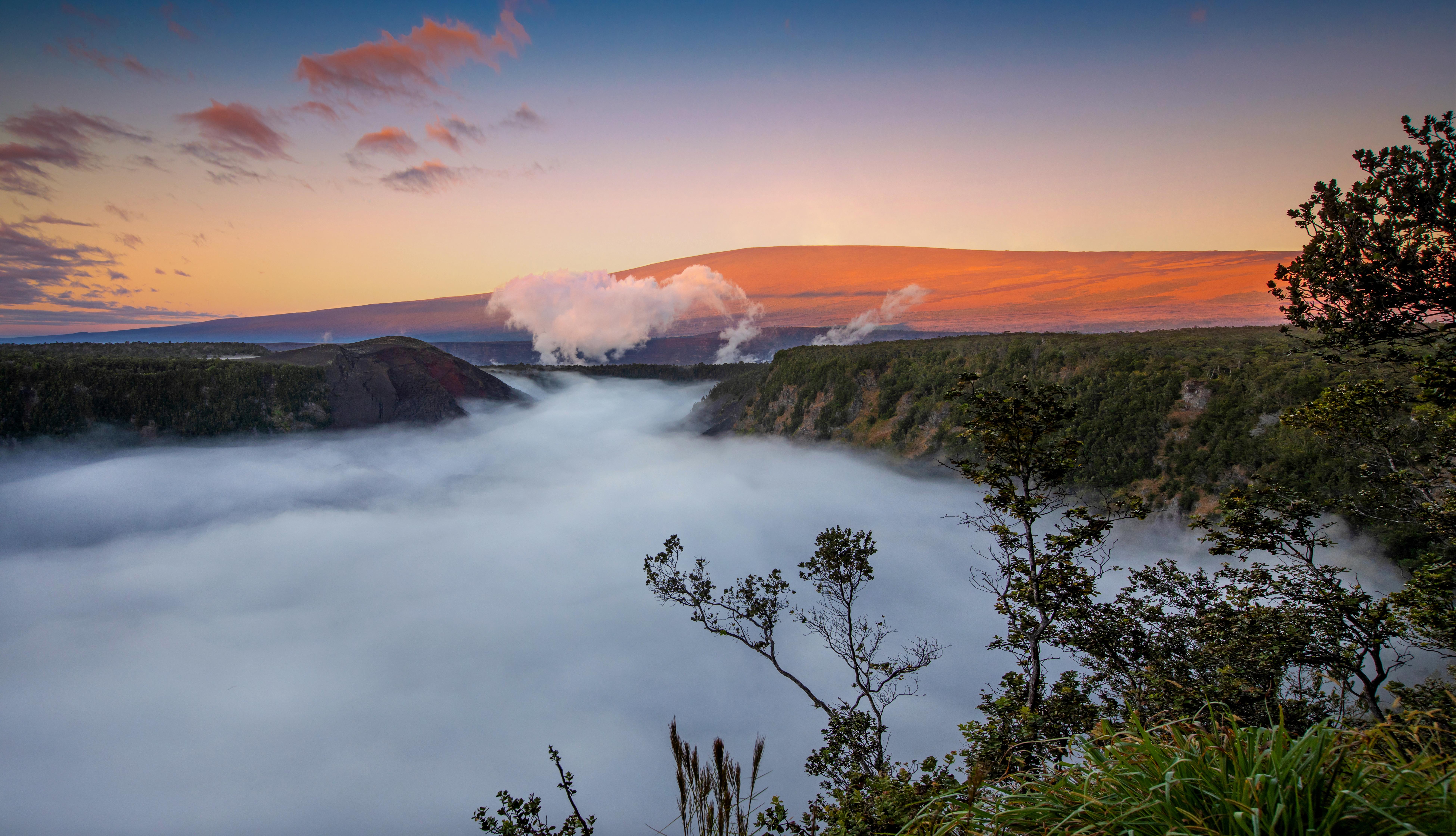
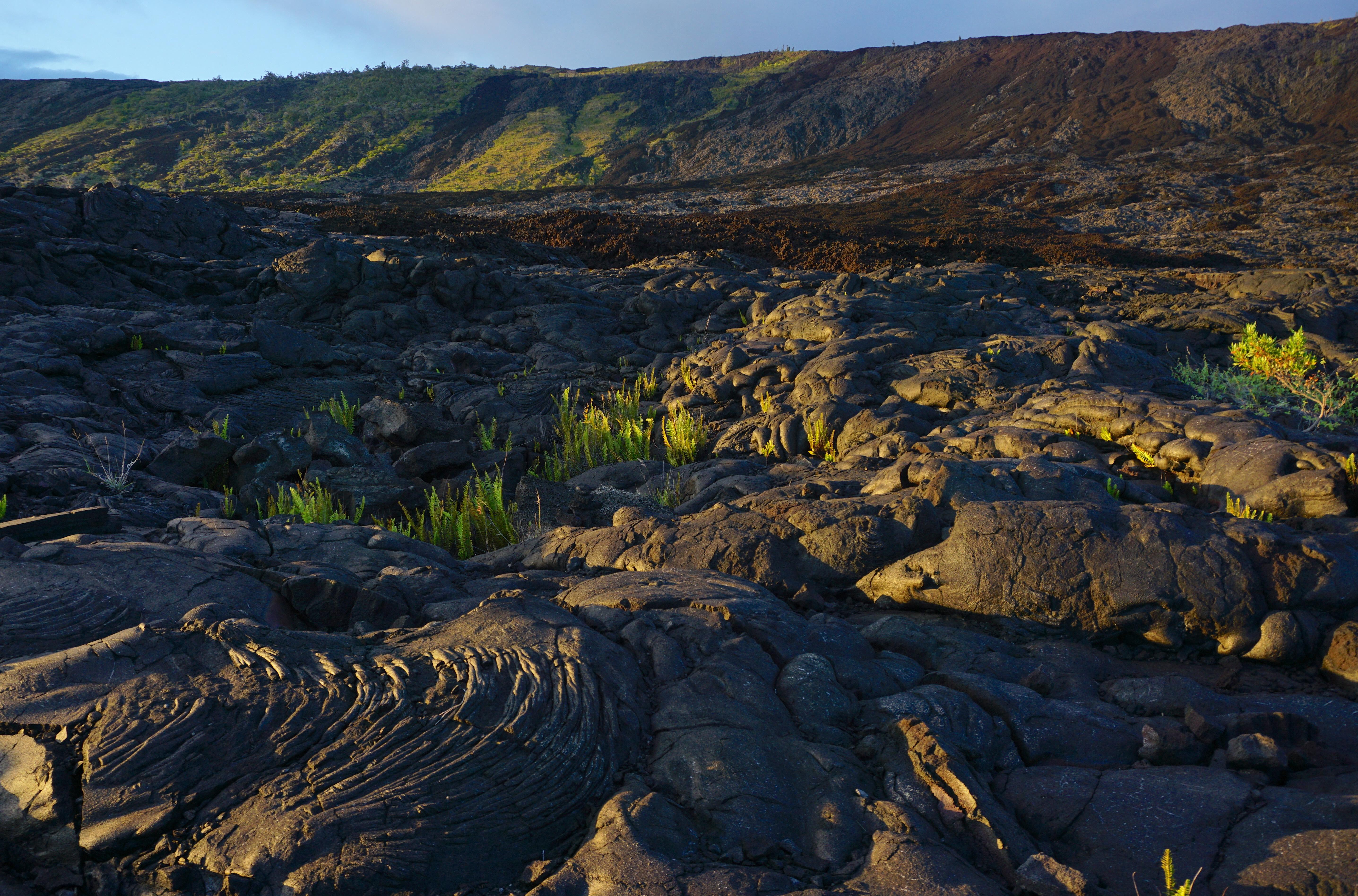
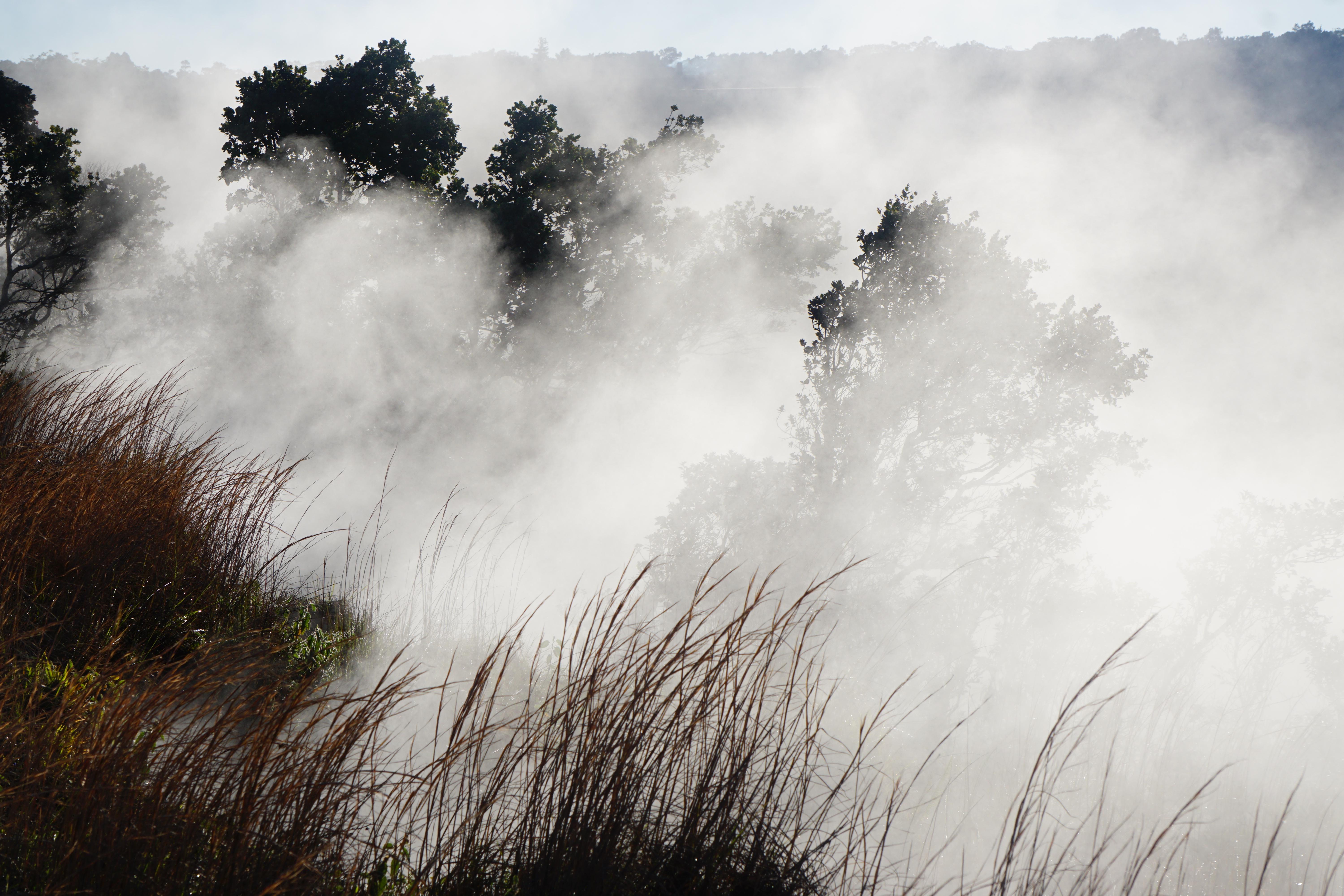
Millions of people visit the park to watch volcanic activity from the caldera's edge.NPS Photo Images link to the original government source.Sunrise at Kīlauea IkiNPS Photo/J. Wei Lava flows from the Mauna Ulu eruption drape the Hōlei PaliNPS Photo/A. LaValle Wahinekapu (Steaming Bluff)NPS Photo/A. LaValle The Kahuku Unit of Hawaiʻi Volcanoes National Park once was one of the largest cattle ranches in HawaiʻiNPS Photo/A. LaValle Nāhuku (Thurston Lava Tube)NPS Photo/D. Boyle Lava trees memorialize trees that once stood in the path of encroaching lavaNPS Photo/A. LaValle Kīlauea is home to important and sacred cultural sites stretching back centuries.NPS Photo The red blossoms of the ʻōhiʻa are a Hawaiian cultural iconNPS Photo/J. Wei The threatened nēnē is the official state bird of HawaiʻiNPS Photo/J. Wei Lush rainforest surrounds Crater Rim Trail near the Halemaʻumaʻu TrailNPS Photo/A. LaValle Haʻakulamanu is wheel-chair accessible from Kūkamāhuākea (Steam Vents) parking area.NPS Photo
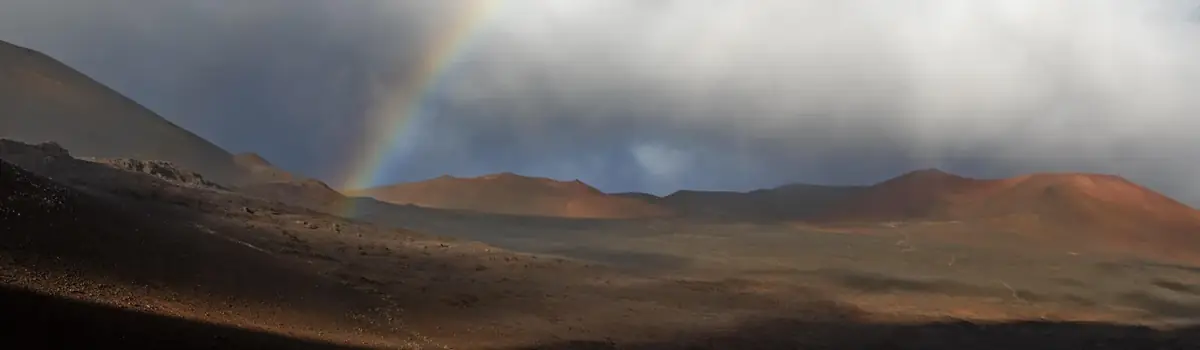
This special place vibrates with stories of ancient and modern Hawaiian culture and protects the bond between the land and its people. The park also cares for endangered species, some of which exist nowhere else. Come visit this special place - renew your spirit amid stark volcanic landscapes and sub-tropical rain forest with an unforgettable hike through the backcountry.
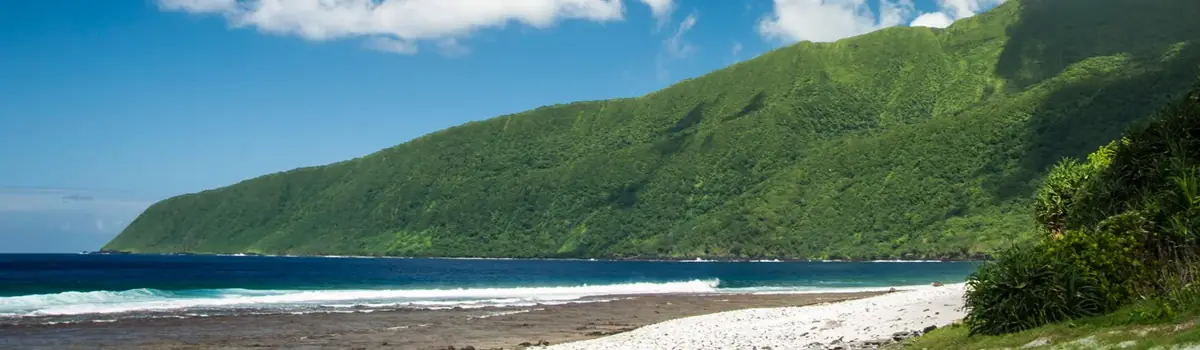
The National Park of American Samoa invites you to discover the vibrant culture and stunning landscapes of the South Pacific. Experience a world unlike any other, where natural beauty and cultural heritage are protected for future generations. Join us in exploring these islands of sacred earth!
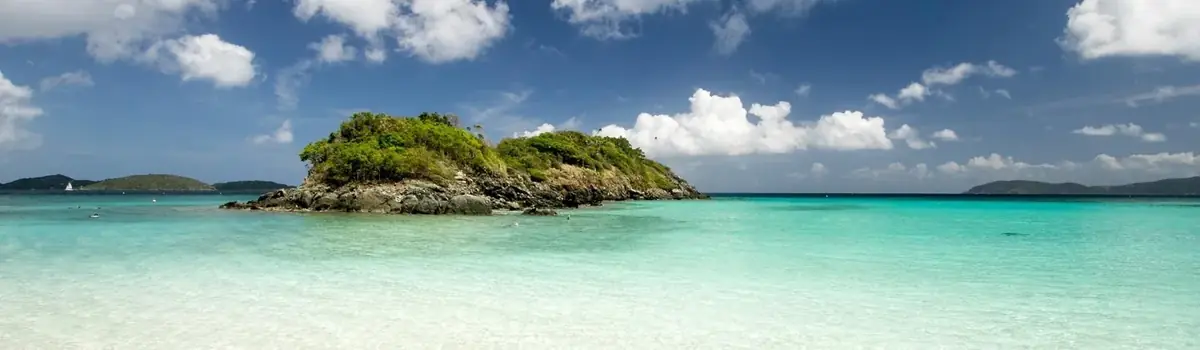
Go beyond Virgin Islands National Park's stunning white-sand beaches. Hike to historic plantation sites to learn about a challenging past when sugar and enslaved labor dominated life on the island. Visit the Indigenous Taino's ancient petroglyphs. Snorkel coral reefs to discover hidden marine life. Two-thirds of the island of St. John is national park, making it a unique destination for visitors.


 Volcanic