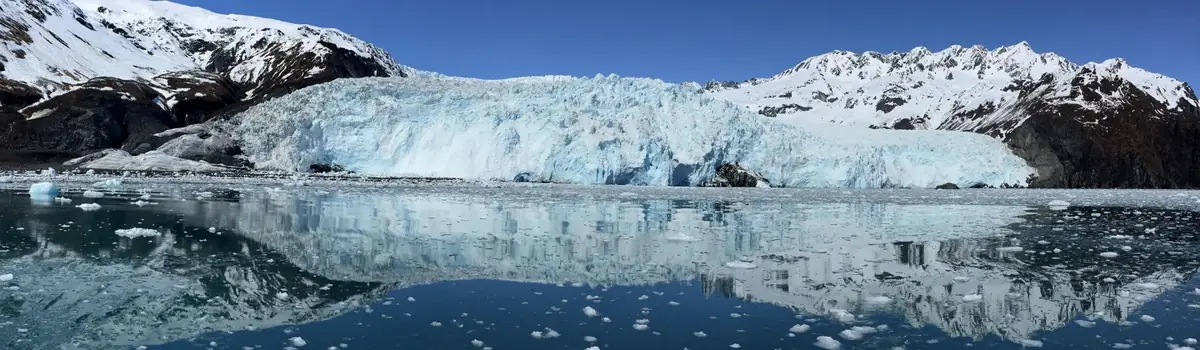
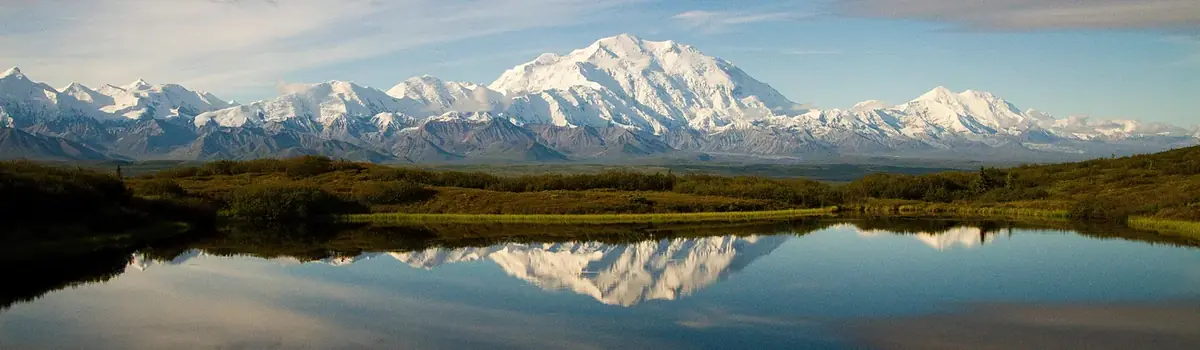
Covering 3.3 million acres of rugged mountains, dynamic glaciers, temperate rainforest, wild coastlines and deep sheltered fjords, Glacier Bay National Park and Preserve is known as Homeland to the Huna and Yakutat Lingít, and is a highlight of Alaska's Inside Passage. From sea to summit, Glacier Bay offers limitless opportunities for adventure and inspiration.
3.2Macres of parkland
740Krecreation visits, 2025
Regional datanearby climate picks
Seasonal access & reservations
No reviewed guidance for this selection. Check the park's official planning pages; missing coverage does not establish access.
Selected guidance only; separate from climate comfort and current conditions.
Official conditions Not checked
The conditions feed has not been connected for this park.
Take an available, booked boat trip into Glacier Bay. Dress for wet and cold conditions and treat wildlife and glacier views as possibilities, not guarantees.
Editorial recommendations, reviewed 2026-10-17. Full park days, excluding travel to and from the region. A first-visit outline for a general traveler; adapt to mobility, fitness, season, reservations, and current conditions. These are suggested days, not reserved activities or guaranteed routes.
Explore daily activities in Bartlett Cove during your visit. There are a multitude of programs, activities, and offerings for visitors to the park's frontcountry in Bartlett Cove! One such program offered each day in the summer season is an evening Park Ranger Program.
For a general schedule/overview for the full summer, check our summer program schedule on this page.
Here, just 250 years ago stood the snout of a 100-mile long glacier. Though icebergs no longer dot the waters of Bartlett Cove, the animals, plants, and landscape continue to change after the recession of this great glacier.
There are many ways to explore Bartlett Cove. You may wish to investigate the area on your own, with a small group, or as part of a Ranger Naturalist guided hike or talk. Whatever the method, the beauty of Bartlett Cove and the events that took place here are well worth discovering.
Wondering how to get here? Bartlett Cove can be accessed by boat or plane via the town of Gustavus. Most visitors travel to Gustavus by airplane or ferry, learn more on our directions page.
Bartlett Cove Trail Guide Stretch your legs and explore YOUR park The Intertidal Life of Bartlett Cove Classic guidebook to the wonders of the intertidal zone
If you have a few hours:
Walk the Forest Trail
Go on your own or with a park ranger . Daily ranger-led walks meet in front of the lodge front doors and depart at 1:30 PM for a 90 minute walk. If taking a walk on your own time, don't forget to download the official NPS app* to your smartphone where a self-guided tour is available for the "Forest Loop Trail". *Wifi is available at the Visitor Information Station and at the Lodge, you may need to inquire at these locations for a password.
If you are able to walk a mile at home, this trail should be easy. There are a couple of benches along the way. The trail winds through a pond-studded spruce/hemlock forest for one half mile, then descends to the beach.
Dress for the weather and wear good walking shoes that can deal with a little mud if you encounter some along the way.
On the second floor of the Glacier Bay Lodge , you will find the park Visitor Center open daily from 6 AM to 10 PM with a variety of exhibits that explore the natural and cultural wonders of Glacier Bay. Books and educational materials from Alaska Geographic are available for purchase.
Join a park ranger at the upstairs desk between 11 AM and 1 PM to ask questions or buy items from the Alaska Geographic bookstore.
Visit Xunaa Shuká Hít, The Huna Tribal House
In 2016, Bartlett Cove was forever transformed with the completion of the Huna Tribal House . A long awaited dream, Xunaa Shuká Hít stands proudly on the shoreline of Bartlett Cove. It is a place of discovery and re-connection. Stop by and admire the carved totems and house screen. Regular visitor hours during the summer months and cultural interpretive staff/programs provide opportunities for you to discover the spectacular interior screen and 4 house posts that represent the stories of the Glacier Bay clans.
Explore the Shore
Walk on your own along a one mile shoreline trail or just head down to the sandy beach to explore. Look for intertidal life. Perhaps you'll hear the blows of a humpback whale, or have a curious harbor seal follow you. A wide variety of wildflowers bloom in this coastal zone during the summer months. The beach is a great place to find a vantage point to watch for birds . Look for land, shore and sea birds in the Cove. Don't forget to take your camera.
If you have a half-day:
The Bartlett River Trail meanders five miles round trip (from the Glacier Bay Lodge) along an intertidal lagoon, through the forest, then emerges and ends at the Bartlett River estuary. Ducks, geese, and other water birds concentrate during migrations and molting in intertidal areas. Watch for coyotes and bears along the beach, and porcupines and red squirrels in the forest. Salmon run upriver during the latter part of the summer. The trail is not difficult but has a few muddy spots during rainy periods.
Go for a Paddle
Sea kayaking is a popular way to experience the wilderness of Glacier Bay. There are several options for day kayaking around Bartlett Cove. Take a guided kayak trip or rent a kayak and paddle your own. Experience Glacier Bay up close. You never know what you might see! Visit our kayaking webpage for more info. Glacier Bay Sea Kayaks provides guided day kayaking and daily kayak rentals out of Bartlett Cove.
If you have a full day:
Take the daily tour boat up-bay. This all-day boat trip up to the glaciers should not be missed! Wildlife and calving glaciers are highlights. Binoculars, extra photo storage and warm clothing are highly recommended.
Hike to Bartlett Lake
This 8 mile trail is less maintained so use caution. The peacefulness of the hike and the beauty of the lake are well worth the trip. On this full day journey, water, lunch and rain gear are essential items.
Daily Tour Boat and Camper Drop-Off in Glacier Bay
Private Vessels
For a personalized trip in the bay, charter vessels can generally take up to six passengers and are rented to a single group, usually for custom multi-day trips. See a list of authorized charter operators in Glacier Bay on our Area Visitor Services Listing page .
Glacier Bay Boating Regulations
See Plan Your Visit to get oriented.
Visiting Gustavus/Glacier Bay on the Alaska State Ferry.
The Area Visitor Services Directory is a listing of businesses that provide lodging, transportation, tours, and other useful services in and near Glacier Bay.
To the lover of wilderness, Alaska is one of the most wonderful countries in the world. --John Muir
The vast majority of Glacier Bay National Park and Preserve has neither roads nor trails. It is possible for wilderness lovers to spend days in the park's more remote places seeing no people, nor even signs of people. Visitors can imagine they are the first people to set foot in some of the park's pristine places. Indeed, in some places they well could be.
In this remote setting outside assistance may be many hours or days away so wilderness adventurers need to be completely self-sufficient and able to cope with any mishaps by themselves. The isolation, terrain, weather, and wildlife may make exploration daunting but a range of opportunities exists so that almost anyone can adventure into the wilderness under their own power. Those with the will to do so are often rewarded far beyond their expectations.
Guided trips make it possible for almost anyone to experience Glacier Bay's wilderness on its own terms. Outfitters supply all equipment and food, handle logistics and meal preparation, and keep the group relatively safe while sharing local knowledge.
Sea Kayaking is the easiest and most popular way to travel into Glacier Bay's wilderness under your own power. Kayaks can be brought to the park by ferry, rented locally, or provided on guided trips. Local rental companies provide instruction and do not require previous kayaking experience. Kayaks have space for plenty of gear and supplies for traveling along Glacier Bay's hundreds of miles of wilderness coastline.
Backpacking is much more strenuous than paddling because of the absence of trails, the mountainous terrain, the vegetative obstacles, and the need to carry all your equipment and supplies on your back. But in alpine meadows, remote river valleys, and pristine rain forest the park's wildest rewards await those with the necessary stamina and experience for navigating the trackless wilds.
Rafting the Tatshenshini and Alsek rivers from Canada to Dry Bay in Glacier Bay National Preserve is a world-class float trip on glacial rivers slicing through one of the world's highest coastal mountain ranges. Whether you bring your own raft, rent from an outfitter, or join a guided trip, you can bring along many of the comforts that kayakers and backpackers must leave behind.
Mountaineering in the Fairweather Range is reserved for the most intrepid explorers. The coastal climate and long approaches make these mountains among the least climbed for their elevation.
Camping Information applies to any overnight wilderness adventure.
Safety is a concern given the many potential hazards of wilderness adventuring.
Know the rules that protect the park and its visitors.
At Home in the Wilderness: Backcountry Guide to Glacier Bay Video
The Area Visitor Services Directory lists outfitters, guides, transportation providers, kayak rental companies, and other businesses that can help with your adventure.
For more information on these activities, contact park headquarters in Gustavus (907) 697-2230 or email us .
Glacier Bay National Preserve is bounded by Alsek Lake to the north, Deception Hills to the east, the Gulf of Alaska to the south, and the Alsek River to the west. Forming a backdrop to the area are two coastal mountain ranges, the stark glaciated Barbazon Range and the heavily vegetated Deception Hills. Beyond these tower the highest coastal mountains in the world, the Fairweather and St.Elias Ranges. Less than twenty miles from the Gulf, 15,300 foot Mt. Fairweather rises prominently over the area.
Five miles from sea, the Alsek River breaks into meandering channels fanning out over an 80 square mile delta, know locally as Dry Bay. The name "Dry Bay" derives from the fact portions of the delta became dry at ebb tide and when river levels are low. The Alsek is becoming shallower due to silting and glacial rebound which causes the land to rise.Where large ocean-going cannery tenders could sail 60 years ago, Dry Bay fisherman must navigate carefully or risk running aground in small skiffs.
Glacier Bay National Preserve is accessed by air, and involves a 50-mile air taxi flight from Yakutat, Alaska . There are no scheduled flights. The NPS maintains two airstrips (Dry Bay: 3AK and East Alsek: AK76). Several other small airstrips and beaches provide additional landing spots. There are no vehicle rentals available. The Ranger Station is usually staffed May – October. Rangers monitor Marine VHF Channel 16 24/7 during the season. The call sign is "Dry Bay Ranger, KWA 728."
There are no public communication facilities and the nearest cell phone coverage is more than 100 miles away
Camping is allowed in the Preserve and the public use cabin is available for reservation through the Glacier Bay permitting office. Contact us to reserve the cabin via email or by phone (907-697-2567). The cost for the cabin is $25.00 per night.
There are thirty commercial fishing camps in the Preserve. These cabins, boats, vehicles and fishing equipment are private property. Please respect them and the fishermen you may meet.
Early Settlement
The original inhabitants of Dry Bay were a mingling of Tlingit from the coast and Athabaskan from the interior. Important seasonal activities included salmon fishing in late spring and summer, hunting along Dry Bay for waterfowl and in the adjacent mountains for mountain goat and bear in fall, and trapping during the months of winter. Gull eggs, plants, and berries supplemented the diet of Dry Bay people.
The Alsek River provided an important trade corridor. During winter, journeys were made on foot to trade seal skins, seal oil, dried seaweed, and cakes of dried strawberries with interior Athabaskan near today's Dalton Post. In spring, returning in dugout canoes with native copper, white marble, skin garments, and soapberries in birch bark boxes, Dry Bay people prepared for similar visits from their northern trading partners. Due to the assimilation of cultures, Dry Bay Tlingit came to speak a dialect unlike that spoken in Yakutat.
Native Dry Bay settlements appear to have been abandoned by 1910. Construction of a cannery in Dry Bay that year hastened the transition from year-round village life to seasonal stays in summer fish camps. Many Dry Bay people moved to Yakutat since the company provided transportation from town to Dry Bay during the fishing season.
Commercial Fishing
Commercial fishing ( salmon gillnetting ) has been the most important harvest activity in Dry Bay since 1910. Though fishermen have experienced many slumps in fish stocks and prices for their catch, the salmon industry remains an economic mainstay of nearby Yakutat. Over one million pounds of kings, sockeye, coho, chum and pink salmon are harvested from Dry Bay each year. Because of its importance to the community, Congress authorized commercial salmon fishing to continue when the Preserve was established in 1980.
Subsistence Activities
Subsistence, the reliance on natural resources to provide food, clothing, shelter, and as a means of preserving native culture, remains important to many rural Alaskans. Within the Preserve, residents of Yakutat continue customary and traditional harvests of wild foods such as salmon and moose at sustainable levels.
Learn more about Subsistence activities on Federal Lands
Sport Fishing and Hunting
Sport fishing and hunting remain popular activities in Dry Bay for local residents and visitors alike. Unlike National Parks where hunting is prohibited, the taking of game, in accordance with state laws and federal regulations, is authorized within the Preserve . Sportsmen may utilize any of the three lodges that provide accommodations, or make reservations for the Park Service public use cabin located on the banks of the East Alsek River. A commercial hunting guide provides services to interested parties, while others may choose to camp. Three commercial lodges operate in the preserve
Other than a few ambitious gold seekers at the turn of the century, recent travel through the Alsek River corridor was slight until the mid-1970's. Since then, the popularity of recreational river running on the Alsek River and its major tributary, the Tatshenshini, has increased dramatically. Rafters put in at Haines Junction (the Alsek River), or Dalton Post, Yukon Territory (the Tatshenshini), and travel over 140 miles to take out at Dry Bay. River Permits are required .
ATVs and other vehicles are allowed on the 60 miles of designated trails in the Preserve . Trails are well defined by vegetation and construction.Travel off designated trails and routes is prohibited. Routes may vary over time in less vegetated areas of the Preserve depending on water flows, sand dunes and nesting birds. All of the trails are subject to high water depths at certain times and rarely may not be passable under temporary high water conditions.
Hunting in Glacier Bay National Preserve
Commercial Services in Dry Bay
Dry Bay ATV Trails Map
For further information contact Glacier Bay National Park and Preserve
Email the commercial services / permits desk here .
Glacier Bay National Park and Preserve P.O. Box 140 Gustavus, AK 99826 (907) 697-2230 email us
One of the best ways to experience the beauty and tremendous expanse of Glacier Bay's mountains, ice, and water is from above! Fly past jagged peaks, winding glaciers, spectacular waters, and wild shorelines of wild Alaska! A wide variety of tours, trips, and itineraries are available.
Flight operators providing trips over Glacier Bay fly out of regional airports like Gustavus, Yakutat, Juneau, and Haines. Operators authorized to land in the Park or Preserve can be found in the Air Transport/Taxi section of the Area Visitor Services Listing.
As of February, 2016, 281 species of birds have been recorded in Glacier Bay National Park and Preserve. The high diversity and abundance of birdlife is due to the variety and extent of favorable breeding habitats available within the park, many of which contain ample food resources and low numbers of land predators.
Each bird species has distinct seasonal patterns, but birds are generally most abundant from May 1 to mid-September. Seabird colonies hatch young by late June, and are largely vacated by September 1.
Fifteen Recommended Birding Locations:
Park Visitor Center, Bartlett Cove, Bartlett River Estuary, Gustavus and Beardslee Islands.
Forest, beach meadow, and tidal flats attract many bird species, particularly during migration.
Rain forest species include the American Three-toed Woodpecker, often seen near Blackwater Pond. Substantial populations of several neotropical migrant warblers, thrushes and other songbirds, including Ruby-crowned Kinglets, Fox Sparrows, Yellow-rumped Warblers and Varied Thrushes can be easily seen.
Shorebirds, waterfowl, and eagles use beaches. Gulls, diving ducks, and alcids feed near shore.
Island and cliff seabird colonies like those located at South Marble Island, Lone Island, South Russell Islands, Boussoule Head, Cenotaph Island and cliffs south of Margerie Glacier.
Small to medium-sized colonies of gulls, guillemots, puffins, and cormorants use isolated islands as a refuge from land predators.
Large numbers of species nest side by side. These colonies are sensitive to human disturbance, and many are closed to landings.
Remote islets such as those in Adams Inlet, Hugh Miller Inlet and Dundas Bay.
Tidal flats and shallow waters in these areas attract a large number and variety of waterfowl.
Marine Feeding Sites such as Point Carolus, Point Gustavus and Sitakaday Narrows.
Tidal currents and turbulence at certain locations stir food organisms to the surface for feeding sea birds.
Considered at-risk elsewhere in their range, a world-class population of Marbled Murrelets occurs within and just outside of the park’s waters.
In the winter, the number of land birds present in the park dwindles. Common Ravens, Northwestern Crows, Black-billed Magpies, Pacific Wrens and American Three-toed Woodpeckers are not uncommon. Large mixed flocks of Pine Siskins and Common Redpolls feed on alder cones and grass seeds. After the long quiet winter, human residents look forward to their return in the spring when every beach thicket and mountainside in the park comes alive with song.
Glacier Bay is best known for tidewater glaciers, wildlife watching, and impressive scenery but sport fishing in the Bay can be an amazing opportunity. The wide diversity of fish habitats ranging from the wave swept coast to hundreds of freshwater streams, lakes, and rivers provides visitors from all over the world with a diverse and uniquely enjoyable experience.
Glacier Bay offers a wide variety of fish species for anglers to pursue in both salt and freshwater. In saltwater, most anglers target the bottom-dwelling halibut, but salmon species , especially Chinook and coho, are also sought. In Glacier Bay's freshwater streams, lakes and rivers, anglers can fish for salmon, both sea-run and resident trout including steelhead and cutthroat, as well as Dolly Varden char. All while enjoying the beauty and solitude of wilderness. The National Park Service urges all anglers to review and know all relevant regulations guiding recreational fishing in Glacier Bay. Other aspects of the fishing experience may also benefit from self-education and pre-planning.
Find maps, charts, and more for your visit to Glacier Bay.
Rest and recharge at the historic Glacier Bay Lodge, or stop by the visitor center to learn all there is to know about the park!
Where is Glacier Bay?
Glacier Bay National Park and Preserve lies west of Juneau, AK and can only be reached by plane or boat. The only road in Glacier Bay National Park connects the small town of Gustavus and its airport to park headquarters at Bartlett Cove (Approx. 10 miles by road).
Alaska Airlines provides daily jet service from Juneau to Gustavus in the summer season. Year-round scheduled air service to Gustavus is also provided by a variety of small air taxis and charters. The flight between Juneau and Gustavus typically takes about 30 minutes one way.
Many visitors arrive in Glacier Bay as passengers on board cruise ships , tour boats , charter boats, and their own private vessels . Some of these tours and boats depart from Gustavus, some from within the park boundaries in Bartlett Cove, and some cruise ships travel from as far as the lower 48!
No matter how you arrive, a visit to Glacier Bay will be a lasting highlight of your Alaskan adventure! Find sections below on:
Other travel options
Serving Gustavus Airfield daily:
Alaska Airlines Offers daily jet service between Juneau and Gustavus during the summer visitor season only . Juneau has daily jet service from Anchorage and Seattle.
Alaska Seaplanes Multiple daily flights to Gustavus from Juneau. Serves most of Southeast Alaska. (907) 789-3331 www.flyalaskaseaplanes.com
Other charter or custom flight offerings: Check our visitor services directory for additional air taxi and transport options.
Air taxis fly a network of routes that link Juneau and Gustavus to Haines, Skagway, and other southeast Alaska towns. Air taxis can also assist in getting you into Glacier Bay's wilderness. Flying time from Juneau to Gustavus is about 30 minutes.
Glacier Bay National Preserve at Dry Bay has air taxi service from Yakutat. Daily jet service to Yakutat is available from Juneau and Anchorage.
Alaska Marine Highway System
During the summer months, the Alaska state ferry typically stops in Gustavus twice weekly from Juneau. The ferries "LeConte" or "Hubbard" are the usual ferries that provide service to Gustavus. The ferry dock is located 9 miles from Glacier Bay park headquarters in Bartlett Cove. Check the AMHS website for schedules, times, and rates. If you are planning on bringing a vehicle to Gustavus and Glacier Bay's frontcountry area of Bartlett Cove, please be aware that vehicle based activities may be limited. In winter, although most roads are flat, conditions can be difficult and icy.
Take the Ferry to Gustavus Ride the Alaska Marine Highway ferry from Juneau to Gustavus
VISIT BY CRUISE
Many tour vessels and large cruise ships schedule a day in Glacier Bay in their Southeast Alaska itineraries.
A daily boat tour based in the park conducts trips starting at the park's frontcountry area, Bartlett Cove, up-bay to the tidewater glaciers. This daily boat tour also offers two scheduled drop-offs for campers and kayakers.
Private charter boats typically conduct multi-day custom adventures tailored to a small group's preferences. Check the Area Visitor Services Listing for a list of charter vessel operators in Glacier Bay.
Private boaters may obtain permits and reservations to bring their own boats to Glacier Bay.
Arriving by Cruise Ship? Insider's Guide for cruise ship passengers!
Bringing your own boat to Glacier Bay? A perfect way to explore the many inlets and waterways.
Though there are often challenging conditions, difficult water crossings, and dangerous weather and water conditions, experienced kayakers paddle within Glacier Bay for unmatched recreational opportunities. For a list of kayak rentals and charter operators for Glacier Bay see the Area Visitor Services Directory . Kayaks may be rented from the above operators, or rented elsewhere and brought to Gustavus via the Alaska State Ferry.
GROUND TRANSPORTATION
As mentioned, Glacier Bay is only accessible by air or by sea. If you choose to fly or take the ferry into Gustavus, you may need ground transportation to reach the park's visitor center, the Glacier Bay Lodge, or park headquarters in Bartlett Cove, about 10 miles from Gustavus. If you are staying at the Glacier Bay Lodge , a shuttle bus is available that will provide transportation between the lodge in Bartlett Cove and either the Gustavus Airport or the Gustavus Ferry Terminal/Dock. Private lodges and B&B's in Gustavus may offer similar shuttle services. Taxis (upon request) run between Gustavus and Bartlett Cove. See the services directory below for a list of approved operators.
Many local B&Bs and Lodges have bicycles to rent or borrow.
See our Area Visitor Services Directory for a list of ground transportation providers.
Where to Stay Lodging and Camping in and around Glacier Bay National Park
Still Confused?
See Plan Your Visit for an overview of the park's attractions.
See Things To Do for a list of ways to see Glacier Bay and to choose your experience.
The Area Visitor Services Directory is a listing of businesses in and near Glacier Bay that provide lodging, transportation, travel consulting, tours, and other useful visitor services.
Dramatic change and the ebb and flow of nature occur at every scale: within centuries, seasons, and hours. The tides swell and recede dramatically twice a day, oftentimes by as much as twenty vertical feet. Long days in the summer become markedly brief in the winter, as the earth’s axis slants away from the sun. Many species follow this pattern, disappearing from Glacier Bay during the winter, only to return or re-emerge in the spring. The salmon, a sustaining pillar of this ecosystem, return each year to the place of their birth to spawn, die, and dispense valuable proteins and other nutrients. Humpback whales converge on the rich feeding grounds in Glacier Bay in the summer, but in the winter range elsewhere to breed and give birth.
People are also an inseparable part of this continuous cycle of disturbance and accommodation; the Lingít have been here for centuries, and as the glaciers, rivers, and life have advanced and receded through the Homeland, so have the clans and the Lingít ancestors. Since its exploration by John Muir in 1879, scientists from around the world have been attracted to Glacier Bay’s living laboratory of pristine ecosystems dominated by natural successional processes. Visitors congregate in the warmer summer months to witness the calving of tidewater glaciers and contemplate change, resilience, and their connection to this dynamic landscape.
On this page you will find basic information about park amenities and services. Enjoy your visit to Glacier Bay!
To contact Glacier Bay, check the Contact Us page. Find the link at the bottom of every official national park webpage.
Physical Address
Operating Hours & Seasons
Visitor Centers
Internet & Cellular Access
Internet & Cellular Access Details
The Visitor Season
The main visitor season is from late-May through early-September with the peak being the month of July. The park is open the rest of the year, but visitor services are very limited.
Weather and Clothing
Summer temperatures average 50° to 60° F (10° to 15° C). Rain is the norm in southeast Alaska. It is best to be prepared to enjoy the park in any kind of weather , especially rain. Suggested clothing includes waterproof boots, rain gear, a hat, gloves, wool or pile layers or a warm coat.
Getting to the Park
There are no roads that lead directly to Glacier Bay. The park’s headquarters, Visitor Information Station, Visitor Center, and the Glacier Bay Lodge are located in Bartlett Cove , 10 miles by road from the small town of Gustavus . Gustavus is located about 65 miles northwest of Juneau. Travel options from May through September include scheduled and charter air services, Alaska Marine Highway ferries , cruise ships, tour boats, and charter boats. There are over 50 companies that provide access to the park.
Private Vessels
If you plan on entering Glacier Bay with your own boat during June-August, a free private boat permit is required. The number of permits available is limited each day. Permits may be reserved up to 60 days in advance.
In Bartlett Cove, the Glacier Bay Lodge offers lodging , a restaurant, a day tour boat and fuel sales. Lodging, groceries, restaurants and charter boats are also available in Gustavus. Bus and taxi service is available. Check the Visitor Services Directory for all available services in or near the park.
Park Ranger Activities
The National Park Service Visitor Center is located on the second level of the Glacier Bay Lodge. Park rangers are available much of the day to answer your questions. Rangers lead daily walks through the rain forest and show informative films in the auditorium. A ranger program is presented in the auditorium each evening. Children are also encouraged to participate in the Junior Ranger Program . Books, maps and other Glacier Bay materials are sold in the Visitor Center through Alaska Geographic.
Daily Tour Boat
The tour boat operated by the Glacier Bay Lodge travels up the bay on a nine-hour trip to the glaciers and back. A park ranger is on board to share information about the natural and cultural wonders of Glacier Bay.
Three trails of varying lengths are located at Bartlett Cove. These trails tend to be somewhat muddy and wet, so bring rubber boots ( Southeast Alaskan Sneakers ). Hiking the shoreline around Bartlett Cove is another fantastic option.
A multitude of camping experiences awaits you, ranging from a stay in our free walk-in campground at Bartlett Cove to a wilderness experience up in the bay. A daily boat provides a camper drop-off service at designated locations in the bay. Rangers at the Visitor Information Station provide camper orientations, issue backcountry permits and bear-resistant food containers.
Sea kayaking is a popular way to experience the wilderness of Glacier Bay National Park and Preserve. Kayak trips can originate from Bartlett Cove, or the daily tour boat will drop-off kayakers. Making reservations well in advance for a kayak and the daily tour boat is recommended. If you prefer, guided day and overnight kayak trips into the park can be arranged.
Glacier Bay experiences dramatic tidal changes...up to 25 feet in 6 hours! Knowing the tides during a kayak trip, boating excursion, or shoreline hike can make all the difference in your Glacier Bay adventure!
Click HERE for the local NOAA tide website and see what the tides are "up to" during your stay.
The Alsek River runs through a portion of Glacier Bay National Park and Preserve. Permits are required for private trips on the Tatshenshini/Alsek. If you have any questions, please contact the Park at GLBA_Alsek_Info@nps.gov or Alsek River information phone line at (907)697-2603.
Glacier Bay offers sport fishing opportunities for both fresh and saltwater fish. Alaska State fishing regulations apply, and a valid fishing license is required.
Glacier Bay National Park collects no entrance fees from private visitors.
If you are planning to stay at the Glacier Bay Lodge or any of the nearby lodges or B&Bs in Gustavus , you should make reservations in advance.
All campers and boaters are required to have a free permit during Glacier Bay National Park's peak season.
Permits provide a level of safety to your visit. If an emergency arises, the park service will have key information to ensure a quick response. Permits also help us track visitor and vessel use numbers. This helps to ensure everyone is able to have a great experience in Glacier Bay.
Camping permits are required for both the Bartlett Cove Campground and the Glacier Bay wilderness backcountry from May 1 through September 30. For more information on camping, check out our camping page . For information on kayaking, check out our Kayaking page . The Bartlett Cove campground does not take reservations, and is operated on a first come, first served basis.
Private Boating
Visiting Glacier Bay in a private vessel can be a wonderful experience. All vessels entering the bay from June 1 through August 31 are required to have a permit. For a boating permit application and other information go to our boating page .
To receive a permit for mountaineering you may need a permit for more than one park. For more information, go to our mountaineering page.
For acquiring a permit to raft the Alsek or Tatshenshini River you will need to go through several steps. The rafting page has much more information.
Will you need a permit for filming in Glacier Bay? For more information visit our filming page.
First Amendment Activities
A Special Use Permit may be required for certain activities such as political events, public assemblies, demonstrations, the distribution of literature, church services and other activities commonly referred to as "First Amendment" activities.
Freedom of speech, press, religion, and assembly are rights protected by the First Amendment of the Constitution. People may exercise these rights in national parks, but the National Park Service (NPS) retains its responsibility to protect park resources and prevent conflict among park visitors. By law, the NPS has established places in the park where First Amendment activities can be accommodated. These areas are visible to the general visiting public without interfering with the public's enjoyment of the park. Visit the Superintendent's Compendium for First Amendment Activities locations. Download an application for First Amendment Activities.
Would you like to plan an event that will take place at Glacier Bay National Park? This would include fish tendering, public assembly, meetings, or weddings. No person will be denied as long as all permit conditions are met and the assembly is lawful. For more information or an application to apply for a special use permit contact Glacier Bay Commercial Services via email , or call us at 907-697-2567. Application fee is $50.
If you are considering conducting business within the park you will need to go through a permit process .
A variety of services are available to park visitors, including lodging and dining, tour and charter vessels, guided trips, and more. Businesses authorized to operate inside Glacier Bay National Park and Preserve are listed in the Area Visitor Services Listing . Additional offerings just outside the park can be explored on the Gustavus Visitors' Association website .
Bartlett Cove Services
The Bartlett Cove fuel dock is managed and operated by the Glacier Bay Lodge in Bartlett Cove. For fuel services, contact the Glacier Bay Lodge upon your arrival at the fuel dock on VHF channel 16, or at 697-4000, typically from Memorial Day to Labor Day. An attendant will meet you within 15 minutes. Fuel is not available when the lodge is closed for the winter/off-season.
Please note: There is no shore access from the fuel dock, and the dock may not be used for loading or off-loading freight or passengers. This dock is only to be used for fueling and waste pumpout.
A waste pumpout is available at the fuel dock. The discharge of "blackwater" (water contaminated with human waste) is prohibited in Bartlett Cove waters.
Water and Power:
Fresh, potable water is available at the dock. Vessels may not use electrical shore power unless otherwise authorized by a park ranger.
Glacier Bay Lodge:
Public restrooms, phone, storage, a restaurant, and the Glacier Bay National Park Visitor Center are all located at the Glacier Bay Lodge during the summer. Camping fuel (white gas & propane canisters) and bear spray may also be purchased at the Lodge if their stock allows.
Gustavus Services
A small town of 600 located approximately 10 miles from Bartlett Cove, the town of Gustavus is the "Gateway to Glacier Bay." Gustavus offers a variety of visitor services and activities, including a grocery store, antique gas station and gift shop, building supply store, post office, and multiple art galleries. Please note that groceries are not available in Bartlett Cove, but taxi service is available during the summer months between Bartlett Cove and Gustavus. For a list of services in Gustavus including lodging, dining, and entertainment, check the Gustavus Visitor Association website .
State of Alaska Travel Info
State of Alaska Official Travel Website
This is the state's informational page on traveling in Alaska, including links to the Alaska Business License website, State Travel Resources, Alaska Marine Highway, Alaska Fish & Game and more.
The following listing of basic park regulations covers some of the most common questions but is not a replacement for the complete listing of applicable laws, policies, and regulations found in the Code of Federal Regulations (CFR).
Natural and Cultural Features
Do not destroy, injure, or remove plants, rocks, feathers, occupied shells or other features. Only the collection of the following is permitted: unoccupied seashells, edible berries and fruits, edible mushrooms, and clams or mollusks taken in accordance with state regulations. NOTE: Eating clams and mussels from Glacier Bay is not recommended due to the presence of a naturally occurring neurotoxin that causes paralytic shellfish poisoning in humans and can be life-threatening.
Feeding Wildlife
The harassing, injuring, or killing of any wildlife is prohibited. Help wildlife remain wild by never feeding any animal, including squirrels and gulls.
Cultural and Archeological Sites
Possessing, destroying, injuring, defacing, removing, digging, or otherwise disturbing cultural and archeological resources is prohibited.
Some areas may be seasonally closed or restricted because of bears, nesting bird colonies, feeding humpback whales, or other wildlife activity. Check on closures at the Visitor Information Station before heading up-bay.
Driving in Glacier Bay
Speed limits and all other AK State traffic laws are enforced on roads within Glacier Bay National Park.
Glacier Bay National Park is a sanctuary for Alaskan wildlife and may not be the best location to bring a pet. Pets are allowed on land in only a few select areas in Bartlett Cove, and may not be left unattended. Pets must be leashed or physically restrained at all times. They are not allowed on trails, beaches, or anywhere in the backcountry, with the exception of pets that remain on board private vessels on the water. Service animals are allowed under specific guidelines. Learn more about Glacier Bay Pet Regulations
Pets are allowed:
On the Bartlett Cove Public Use Dock.
On the beach between the Bartlett Cove Public Use Dock and the Bartlett Cove Inner Lagoon Dock/Glacier Bay Headquarters Dock.
Within 100 feet of Bartlett Cove Developed Area park roads or parking areas unless otherwise posted.
On a vessel on the water.
People who can legally possess firearms under applicable federal, state, and local laws may legally possess firearms in Glacier Bay National Park and Preserve.
It is the responsibility of visitors to understand and comply with all applicable state, local, and federal firearms laws before entering this park.
Firearms are prohibited in federal facilities.
Hunting and discharge of firearms is still prohibited except in the Preserve with an Alaska hunting license.
More information
Marijuana and Other Controlled Substances
Possession or use inside a National Park Service unit (parks,preserves rivers and monuments) is prohibited. While Alaska provides for regulated possession and use of marijuana, it remains an illegal drug under federal law and enforced within the park units.
Sport fishing requires an Alaska state fishing license, available during the summer months at Glacier Bay Lodge. See the Alaska State Fishing Regulations . Also, please note vessel entry permit requirements .
Commercial Fishing
The harvest of fishery resources ( fish and invertebrates ) for sale and profit is permitted under specific regulations in specified locations. See the Commercial Fishing page.
Helicopter landing within the park is prohibited. Fixed wing aircraft must fly at an altitude of at least 500 feet. Float Plane access to the Public Use Dock is permitted. Aircraft are restricted to use of the designated aircraft float and are limited to three hours in any 24-hour period. Pilots must remain with aircraft or provide notice of their location to a park ranger.
Unmanned Aircraft (Drones)
Currently, the use of drones is prohibited in all National Parks. Detailed information about the policy is available here .
We encourage all campers and boaters to separate waste into the bear-resistant receptacles near the Visitor Information Station. Dumping of refuse brought into the park by anyone other than private campers and boaters is prohibited. This requirement is intended to ensure the refuse handled by the park is generated by activities occurring within the park.
Backcountry Regulations
Permits are required for overnight camping in Glacier Bay from May 1 to September 30 [36CFR13.65(b)(8)]. See our camping page for more information. Group Size Limits: The maximum group size in wilderness is twelve people. Several areas are designated annually for commercial operators where multiple large groups may recreate at the same time. Otherwise, groups should space themselves to be out of sight/sound of others.
Vessel Regulations
Permits are required for recreational boating in the park from June 1 through August 31 and vessel regulations apply. See our boating page for more information.
More Information
The listing of basic park regulations on this page covers some of the most common questions but is not a replacement for the complete listing of applicable laws, policies, and regulations , as found in the Code of Federal Regulations (CFR).
Complete Rules Listing (Links to Code of Federal Regulations, etc.)
Official NPS features and USGS park boundaries, imported 2026-10-17. An inventory snapshot, not live trail or parking availability.
Loading official park features…
TrailsPoints of interestParkingZoom with buttons or pinch. Toggle layers on the map.
Map coverage varies. Trail names may represent segments, connectors, or shared park units; mapped lines are not a hiking recommendation. Use official conditions and navigation resources before heading out.
Hiker/Pedestrian|Bicycle|Pack and Saddle|All-Terrain Vehicle|Motorcycle|Snowmobile|Snowshoe|Cross-Country Ski|Dog Sled|Other
Dog Salmon Creek Trail Inventory record · 8 source segments; not a route distance.Dunes area subject to erosion with little use in winter. Trails redriven in the beginning of summer season
Hiker/Pedestrian|Bicycle|Pack and Saddle|All-Terrain Vehicle|Motorcycle|Snowmobile|Snowshoe|Cross-Country Ski|Dog Sled|Other
Page 1 of 4
NPS public GIS inventory, imported 2026-10-17. “Existing” is an inventory classification, not confirmation that a trail is open. Segment counts are not route distances. Parking records do not indicate space availability, fees, or accessibility certification. View government source ↗
Climate for Juneau, 152 km from the park reference point. 1991–2020 normals. Source elevation: 17 m.
This climate location is distant from the park. Use these values as regional context only. Do not use its climate ranking to choose park travel dates.
Daytime highNighttime lowOctober: 43° / 34°
Daytime high43°
Precipitation329 mm
Daylight9.9 hrs
Wind8.1 km/h
Mountain, rim, valley, and coastal conditions can differ sharply from the source town. Check park forecasts and current conditions before travel.
Monthly climate data 12 months · °F
Month
High
Low
Rain / snow water
Wet days
Daylight
27°
19°
248 mm
19.8
6.8 h
29°
20°
187 mm
16.6
8.9 h
33°
22°
182 mm
17.9
11.4 h
41°
30°
142 mm
16.5
14.0 h
50°
37°
136 mm
16.0
16.4 h
58°
46°
134 mm
16.5
17.8 h
60°
50°
178 mm
18.9
17.2 h
59°
49°
237 mm
19.3
15.1 h
53°
43°
331 mm
21.0
12.5 h
43°
34°
329 mm
22.7
9.9 h
33°
24°
262 mm
20.9
7.5 h
29°
21°
275 mm
21.1
6.2 h
RESEARCH WITH THE SOURCE IN VIEW
The practical field guide.
Official NPS excerpts imported 2026-10-17. Fees, permits, road access, and operations can change; use the source link to confirm the latest information.
Dramatic change and the ebb and flow of nature occur at every scale: within centuries, seasons, and hours. The tides swell and recede dramatically twice a day, oftentimes by as much as twenty vertical feet. Long days in the summer become markedly brief in the winter, as the earth’s axis slants away from the sun. Many species follow this pattern, disappearing from Glacier Bay during the winter, only to return or re-emerge in the spring. The salmon, a sustaining pillar of this ecosystem, return each year to the place of their birth to spawn, die, and dispense valuable proteins and other nutrients. Humpback whales converge on the rich feeding grounds in Glacier Bay in the summer, but in the winter range elsewhere to breed and give birth.
People are also an inseparable part of this continuous cycle of disturbance and accommodation; the Lingít have been here for centuries, and as the glaciers, rivers, and life have advanced and receded through the Homeland, so have the clans and the Lingít ancestors. Since its exploration by John Muir in 1879, scientists from around the world have been attracted to Glacier Bay’s living laboratory of pristine ecosystems dominated by natural successional processes. Visitors congregate in the warmer summer months to witness the calving of tidewater glaciers and contemplate change, resilience, and their connection to this dynamic landscape.
On this page you will find basic information about park amenities and services. Enjoy your visit to Glacier Bay!
To contact Glacier Bay, check the Contact Us page. Find the link at the bottom of every official national park webpage.
Physical Address
Operating Hours & Seasons
Visitor Centers
Internet & Cellular Access
Internet & Cellular Access Details
The Visitor Season
The main visitor season is from late-May through early-September with the peak being the month of July. The park is open the rest of the year, but visitor services are very limited.
Weather and Clothing
Summer temperatures average 50° to 60° F (10° to 15° C). Rain is the norm in southeast Alaska. It is best to be prepared to enjoy the park in any kind of weather , especially rain. Suggested clothing includes waterproof boots, rain gear, a hat, gloves, wool or pile layers or a warm coat.
Getting to the Park
There are no roads that lead directly to Glacier Bay. The park’s headquarters, Visitor Information Station, Visitor Center, and the Glacier Bay Lodge are located in Bartlett Cove , 10 miles by road from the small town of Gustavus . Gustavus is located about 65 miles northwest of Juneau. Travel options from May through September include scheduled and charter air services, Alaska Marine Highway ferries , cruise ships, tour boats, and charter boats. There are over 50 companies that provide access to the park.
Private Vessels
If you plan on entering Glacier Bay with your own boat during June-August, a free private boat permit is required. The number of permits available is limited each day. Permits may be reserved up to 60 days in advance.
In Bartlett Cove, the Glacier Bay Lodge offers lodging , a restaurant, a day tour boat and fuel sales. Lodging, groceries, restaurants and charter boats are also available in Gustavus. Bus and taxi service is available. Check the Visitor Services Directory for all available services in or near the park.
Park Ranger Activities
The National Park Service Visitor Center is located on the second level of the Glacier Bay Lodge. Park rangers are available much of the day to answer your questions. Rangers lead daily walks through the rain forest and show informative films in the auditorium. A ranger program is presented in the auditorium each evening. Children are also encouraged to participate in the Junior Ranger Program . Books, maps and other Glacier Bay materials are sold in the Visitor Center through Alaska Geographic.
Daily Tour Boat
The tour boat operated by the Glacier Bay Lodge travels up the bay on a nine-hour trip to the glaciers and back. A park ranger is on board to share information about the natural and cultural wonders of Glacier Bay.
Three trails of varying lengths are located at Bartlett Cove. These trails tend to be somewhat muddy and wet, so bring rubber boots ( Southeast Alaskan Sneakers ). Hiking the shoreline around Bartlett Cove is another fantastic option.
A multitude of camping experiences awaits you, ranging from a stay in our free walk-in campground at Bartlett Cove to a wilderness experience up in the bay. A daily boat provides a camper drop-off service at designated locations in the bay. Rangers at the Visitor Information Station provide camper orientations, issue backcountry permits and bear-resistant food containers.
Sea kayaking is a popular way to experience the wilderness of Glacier Bay National Park and Preserve. Kayak trips can originate from Bartlett Cove, or the daily tour boat will drop-off kayakers. Making reservations well in advance for a kayak and the daily tour boat is recommended. If you prefer, guided day and overnight kayak trips into the park can be arranged.
Glacier Bay experiences dramatic tidal changes...up to 25 feet in 6 hours! Knowing the tides during a kayak trip, boating excursion, or shoreline hike can make all the difference in your Glacier Bay adventure!
Click HERE for the local NOAA tide website and see what the tides are "up to" during your stay.
The Alsek River runs through a portion of Glacier Bay National Park and Preserve. Permits are required for private trips on the Tatshenshini/Alsek. If you have any questions, please contact the Park at GLBA_Alsek_Info@nps.gov or Alsek River information phone line at (907)697-2603.
Glacier Bay offers sport fishing opportunities for both fresh and saltwater fish. Alaska State fishing regulations apply, and a valid fishing license is required.
Glacier Bay National Park and Preserve is unmatched in its wildness, history, and scenic beauty. We invite you to experience first hand this special place. On this page you will find services specifically designed to help our visitors with disabilities. If there is something else that we may be able to do to facilitate a meaningful visit for your group please contact us.
Although Glacier Bay does not have an entrance fee, you may wish to learn about the America the Beautiful National Parks and Federal Recreational Lands Access Pass --or simply, the Access Pass--which provides a wide range of discounts on activities and services when you visit other federal lands.
General Information
People of all abilities can enjoy Glacier Bay National Park! The vast majority of park visitors arrive on board cruise ships and a variety of smaller tour vessels that include Glacier Bay as part of a longer Southeast Alaskan cruise itinerary. By contacting the individual cruise lines, you will discover the easy access for all that they provide.
The only visitor facilities in Glacier Bay National Park are located within Bartlett Cove . In Bartlett Cove you will find a few short trails, a public dock, campground, Glacier Bay Lodge with the Park Visitor Center on the second level, and the Visitor Information Station. Pathways in Bartlett Cove are not paved, and may have exposed roots and rocks present. The Tlingit Trail provides a nice flat, accessible gravel path between the public dock parking area and the front of the Huna Tribal House. While navigable by many new wheelchairs, not all trails meet ADA standards. An exception is the beautiful wooden boardwalk that provides access to a viewing deck overlooking a serene pond. This 1/2-mile section of the Forest Trail is accessible and easy to negotiate.
Service dogs on a leash are allowed on park trails in Bartlett Cove.
The Glacier Bay Lodge is accessed via wheelchair-accessible ramp . The park visitor center, exhibits, and theater are located upstairs and accessible via elevator or stairs. The grounds have gravel and wooden walkways and wheelchair accessible restrooms. ADA accessible rooms are available for overnight lodging.
A portion of the Bartlett Cove Public Use Dock provides flat, paved access to a viewing platform complete with interpretive panels. This is a nice spot to view the water and distant mountains. Wildlife can also be seen in this area. Continuing to the main dock may be an option, however the ramp varies in steepness with the tides. At high tide, the ramp may offer a gradual 3% slope. A few hours later, when the tide is out, that same ramp may be at an almost 18% slope.
The Bartlett Cove Campground is accessible by foot traffic only. Paths through the campground are well-compacted soil and level. There are no utilities available. There is one wheelchair accessible vault toilet available, and at the nearby Visitor Information Station (1/4 mile), there are two modern restrooms that are fully accessible.
An entrance pass is not required to access Glacier Bay National Park & Preserve.
Other National Park Service sites may require an entrance pass or fee. Depending on your trip plans, an interagency pass may save you money.
2026 Free Entrance Days in the National Parks
Come experience the national parks! All National Park Service sites that charge an entrance fee will offer free admission to US citizens and residents (other fees, including timed entry or reservation fees, may apply). Mark your calendar for these entrance fee-free dates:
February 16 : Presidents Day (Washington's Birthday)
May 25 : Memorial Day
June 14: Flag Day/President Trump's birthday
July 3–5: Independence Day weekend
August 25: 110th Birthday of the National Park Service
September 17: Constitution Day
October 27 : Theodore Roosevelt's birthday
November 11: Veterans Day
Unlike most national parks, there is NO entrance fee to enter Glacier Bay National Park and Preserve.
If you plan on enjoying the park through any commercial outfitters, guides, tour-boats, lodges, etc., you should arrange any reservations through them.
NO camping fees are required at Glacier Bay National Park.
Campers in the Bartlett Cove Primitive Campground are required to attend a camper orientation at the Visitor Information Station.
A free backcountry permit is required for overnight campers/kayakers.
Boating Permits
If you plan on enjoying Glacier Bay with your private vessel, a free permit is required.
Commercial and Special-use Fees
Filming/photography for commercial purposes may require a special use permit and payment of location fees.
America The Beautiful: The National Parks and Federal Recreational Lands Pass Series
For more information about passes available for National Parks and Federal Agencies, please visit: www.nps.gov/findapark/passes.htm
Find maps, charts, and more for your visit to Glacier Bay.
Rest and recharge at the historic Glacier Bay Lodge, or stop by the visitor center to learn all there is to know about the park!
Where is Glacier Bay?
Glacier Bay National Park and Preserve lies west of Juneau, AK and can only be reached by plane or boat. The only road in Glacier Bay National Park connects the small town of Gustavus and its airport to park headquarters at Bartlett Cove (Approx. 10 miles by road).
Alaska Airlines provides daily jet service from Juneau to Gustavus in the summer season. Year-round scheduled air service to Gustavus is also provided by a variety of small air taxis and charters. The flight between Juneau and Gustavus typically takes about 30 minutes one way.
Many visitors arrive in Glacier Bay as passengers on board cruise ships , tour boats , charter boats, and their own private vessels . Some of these tours and boats depart from Gustavus, some from within the park boundaries in Bartlett Cove, and some cruise ships travel from as far as the lower 48!
No matter how you arrive, a visit to Glacier Bay will be a lasting highlight of your Alaskan adventure! Find sections below on:
Other travel options
Serving Gustavus Airfield daily:
Alaska Airlines Offers daily jet service between Juneau and Gustavus during the summer visitor season only . Juneau has daily jet service from Anchorage and Seattle.
Alaska Seaplanes Multiple daily flights to Gustavus from Juneau. Serves most of Southeast Alaska. (907) 789-3331 www.flyalaskaseaplanes.com
Other charter or custom flight offerings: Check our visitor services directory for additional air taxi and transport options.
Air taxis fly a network of routes that link Juneau and Gustavus to Haines, Skagway, and other southeast Alaska towns. Air taxis can also assist in getting you into Glacier Bay's wilderness. Flying time from Juneau to Gustavus is about 30 minutes.
Glacier Bay National Preserve at Dry Bay has air taxi service from Yakutat. Daily jet service to Yakutat is available from Juneau and Anchorage.
Alaska Marine Highway System
During the summer months, the Alaska state ferry typically stops in Gustavus twice weekly from Juneau. The ferries "LeConte" or "Hubbard" are the usual ferries that provide service to Gustavus. The ferry dock is located 9 miles from Glacier Bay park headquarters in Bartlett Cove. Check the AMHS website for schedules, times, and rates. If you are planning on bringing a vehicle to Gustavus and Glacier Bay's frontcountry area of Bartlett Cove, please be aware that vehicle based activities may be limited. In winter, although most roads are flat, conditions can be difficult and icy.
Take the Ferry to Gustavus Ride the Alaska Marine Highway ferry from Juneau to Gustavus
VISIT BY CRUISE
Many tour vessels and large cruise ships schedule a day in Glacier Bay in their Southeast Alaska itineraries.
A daily boat tour based in the park conducts trips starting at the park's frontcountry area, Bartlett Cove, up-bay to the tidewater glaciers. This daily boat tour also offers two scheduled drop-offs for campers and kayakers.
Private charter boats typically conduct multi-day custom adventures tailored to a small group's preferences. Check the Area Visitor Services Listing for a list of charter vessel operators in Glacier Bay.
Private boaters may obtain permits and reservations to bring their own boats to Glacier Bay.
Arriving by Cruise Ship? Insider's Guide for cruise ship passengers!
Bringing your own boat to Glacier Bay? A perfect way to explore the many inlets and waterways.
Though there are often challenging conditions, difficult water crossings, and dangerous weather and water conditions, experienced kayakers paddle within Glacier Bay for unmatched recreational opportunities. For a list of kayak rentals and charter operators for Glacier Bay see the Area Visitor Services Directory . Kayaks may be rented from the above operators, or rented elsewhere and brought to Gustavus via the Alaska State Ferry.
GROUND TRANSPORTATION
As mentioned, Glacier Bay is only accessible by air or by sea. If you choose to fly or take the ferry into Gustavus, you may need ground transportation to reach the park's visitor center, the Glacier Bay Lodge, or park headquarters in Bartlett Cove, about 10 miles from Gustavus. If you are staying at the Glacier Bay Lodge , a shuttle bus is available that will provide transportation between the lodge in Bartlett Cove and either the Gustavus Airport or the Gustavus Ferry Terminal/Dock. Private lodges and B&B's in Gustavus may offer similar shuttle services. Taxis (upon request) run between Gustavus and Bartlett Cove. See the services directory below for a list of approved operators.
Many local B&Bs and Lodges have bicycles to rent or borrow.
See our Area Visitor Services Directory for a list of ground transportation providers.
Where to Stay Lodging and Camping in and around Glacier Bay National Park
Still Confused?
See Plan Your Visit for an overview of the park's attractions.
See Things To Do for a list of ways to see Glacier Bay and to choose your experience.
The Area Visitor Services Directory is a listing of businesses in and near Glacier Bay that provide lodging, transportation, travel consulting, tours, and other useful visitor services.
When planning for your trip to Glacier Bay, remember that the environment here is very dynamic, and can be unforgiving to the ill-prepared. Emergencies and Crime If you have an emergency or witness a crime in progress, please call (907) 697-2651, or the 24-Hour Crime Tipline at 1-800-478-2724. Recreational Boating Safety Learn how to ensure a safe and successful boating adventure in Glacier Bay.
Hypothermia Long periods of rainy, overcast, and cool weather are normal in Southeast Alaska. Summer daytime temperatures are usually 45-65 F, but nights stay cool to near freezing. To protect against hypothermia , a hat, gloves or mittens, and rain gear are essential. Sturdy, waterproof footgear is desirable. For more in-depth information about hypothermia see http://www.princeton.edu/~oa/safety/hypocold.shtml
Paralytic Shellfish Poisoning (PSP) Eating mussels and clams in Glacier Bay is not recommended as the neurotoxin that causes paralytic shellfish poisoning has been found in high concentrations in the area. This is a naturally occurring toxin that affects humans as well as other animals, and can lead to sudden death.
Bears Glacier Bay is home to both black and brown/grizzly bears. They are wild animals and should always be considered potentially dangerous. When hiking, lessen your chances of an encounter by watching for bears and bear sign, making noise, traveling in groups, and avoiding travel at night. Food, garbage, and scented items must be stored properly. Avoid taking odorous foods. Bear-resistant food containers are required in the non-forested areas of Glacier Bay and are available for loan at the Visitor Information Station. Photograph bears with a telephoto lens; close approach is dangerous. Read about being safe in bear country.
Giardia Even though the water looks clear, it may contain organisms that cause a debilitating intestinal disorder. Water should be vigorously boiled for at least one minute, filtered, or chemically treated. Because of the high rate of sediment in the water in glacial landscapes, you may need to allow extra time for the "glacial flour" to settle out.
Tides: Glacier Bay experiences dramatic tidal changes...up to 25 feet in 6 hours! Knowing the tides during a kayak trip, boating excursion, or shoreline hike can make all the difference in your Glacier Bay adventure! Check local tide predictions to see what the tides are "up to" during your stay.
Moose can be extremely dangerous
The first moose were observed in Glacier Bay during in the late 1960s. Their population has steadily grown since that time. Moose now occur widely throughout Glacier Bay in thickets, meadows and open forests. If you encounter a moose, use caution:
Increase the distance between you and the moose
Get behind a tree or structure
Change your route, and leave the area quickly
To avoid close encounters, make noise while you hike.
Baneberry, a Poisonous Plant
Baneberry, Actaea rubra , a member of the buttercup family, is aptly named. "Bane" is derived from an Anglo-Saxon word meaning "murderous." All parts of the plant are toxic. Ingesting one berry can cause numbness in the mouth and tongue. The poison in three berries is enough to kill a child. Six berries will effectively shut down the respiratory system in adults. Baneberries are common throughout the forests of Bartlett Cove and lower Glacier Bay. The best rule to follow if you are sampling wild plants: If you aren't sure what it is, don't eat it. Read more characteristics and view photos about the Baneberry plant here.
Bartlett Cove is the only developed area within Glacier Bay. The forests and shorelines offer great hiking opportunities. Several easy trails begin here. Spend some time, stretch your legs, and discover the wonders of YOUR park.
Bartlett Cove Trail Guide Trails in Bartlett Cove are short and quite easy to follow. This map depicts the general routes of the Forest Trail, Tlingit Trail, Shoreline Trail, Bartlett River, and Bartlett Lake Trail.
Forest Trail : Distance: 1 mile loop/Time: 30 min.-1.5 hours. This loop trail will take you through both the temperate rainforest and the beach environments of Bartlett Cove. Begin your walk either in front of the Lodge (just off the parking lot) or south of the boat ramp between the docks. The trail surface varies between dirt, gravel and boardwalk. Two benches and viewing platforms along the way beg you to pause and take in the sights and sounds of the spruce/hemlock forest. To discover the stories of this amazing area, join a park ranger for a guided walk along this trail every afternoon.
Bartlett River Trail: Distance: 4 miles round-trip/Time: 4-5 hours. This trail meanders along an intertidal lagoon and through the spruce/hemlock forest before emerging and ending at the Bartlett River estuary. Watch for coyotes, moose, bear and river otter along the beach. Ducks, geese and other water birds concentrate in the intertidal area during migrations and molting. Salmon run up the river in the latter part of the summer, which attracts hungry harbor seals.
Bartlett Lake Trail: Distance: 8 miles round-trip/Time: 7-8 hours. Begin walking on the Bartlett River Trail. In about ¼ of a mile down the trail at a signpost, the lake trail will branch off and begin to climb the moraine. This trail is less maintained than the other trails so use caution to not lose the route. The chatter of red squirrels will accompany you as you wind your way over and around moss-covered boulders and lichen-covered trees before reaching the shores of Bartlett Lake. During this full-day journey, you may be richly rewarded in solitude and the perhaps even the call of loons. Bring water, lunch and raingear.
Hike to Bartlett Lake Looking for a fun day hike? Join Ranger Sarah and learn why the Bartlett Lake Trail may be your perfect choice. Duration: 5 minutes, 47 seconds
Tlingit Trail Distance: 1/2 mile one way An easy stroll along the forested shoreline edge in front of the Glacier Bay Lodge. Enjoy nice views of Bartlett Cove. See a traditional Łingít dugout canoe, gaze at a complete whale skeleton, learn abut common native plants, and experience Łingít culture and formline design at the Huna Tribal House .
Explore The Shore: Distance: Varies The long stretch of shoreline south of the Bartlett Cove docks allows for a pleasant stroll. You could walk for miles. An extended hike to Point Gustavus (six miles one way) can be completed in a full day. Low tide reveals a myriad of intertidal life. (Please walk carefully!) It's a terrific place to see land, shore and sea birds. Listen for the breathing of humpback whales, feeding sea otters, and bald eagles. Flowers are profuse in mid-summer on the beach meadows. Let the magic of Glacier Bay surround you for an hour or even a full day.
Wilderness Hiking There are no maintained trails in park wilderness , but beaches, recently deglaciated areas, and alpine meadows offer excellent hiking.
Be prepared to tangle with the alder. Sitka alder is a successional plant that grows in a mass along beach and stream edges, avalanche chutes and up mountain slopes. Hikers have been known to lose their minds attempting to hike through alder.
A Slip of the Foot Due to the amount of moisture here in Glacier Bay, walking can be tricky. Wet docks, wooden walkways, logs, rocks and tree roots can be very slippery and create tripping hazards. Trails are often muddy and slick. To minimize risk, wear sturdy shoes with good traction. Rubber boots ( SE Alaskan Sneakers ) are popular here. Watch where you are stepping and take your time!
Be a Smart Hiker
No matter where you walk, always let someone know where you are going and what time you expect to be back.
Glacier Bay Park brochure map (3.3MB Jpg) Covers the entire park Detailed Map of the Bay only (500KB Jpg) Detail of Glacier Bay and its West Arm
The Fairweather Glacier Bay National Park and Preserve Trip Planner and Visitor's Guide
NOAA Chart of Glacier Bay NOAA has deprecated Raster Nautical Charts (RNC) and their printing and now Electronic Nautical Charts (ENC) are created on demand. To create custom maps in PDF form, access the NOAA Custom Chart Creator here . For electronic charts, visit the NOAA Electronic Nautical Chart Viewer here . Linked is a custom nautical chart of Glacier Bay at a scale of 1:80,000 in PDF format (Click image for a 5 mb web-safe PDF download. For a higher quality file, download directly from NOAA at the links above). Reminder: The prudent mariner will not rely solely on any single aid to navigation, particularly on floating aids.
Camper Drop-off Locations Map shows current drop-off locations where the daily tour boat stops to pick-up and drop-off backcountry campers and kayakers.
Bartlett Cove Trails Map showing Forest Trail, Bartlett River Trail, and Bartlett Lake Trail.
Commercial Fishing Shows areas in which commercial fishing may occur in Glacier Bay National Park. Details...
Cruise Ship Routes Map highlighting typical cruise ship routes in Glacier Bay
Tour Boat Routes Typical tour boat route in Glacier Bay
Glacier Bay National Park is a sanctuary for Alaskan wildlife and may not be the best location to bring a pet. Pets are allowed on land in only a few select areas, and may not be left unattended. Your pet must be leashed or physically restrained at all times. Pets are not allowed on trails, beaches, or anywhere in the backcountry, with the exception of pets that remain on board private vessels on the water.
Pets are allowed:
On the Bartlett Cove Public Use Dock
On the beach between the Bartlett Cove Public Use Dock and the National Park Service Administrative Dock
Within 100 feet of Bartlett Cove Developed Area park roads or parking areas unless otherwise posted
On a vessel on the water
Keep Bartlett Cove Clean! All pet waste must be cleaned up and deposited within the covered trash cans in Bartlett Cove.
Service Animals Service animals are allowed in all facilities and on trails unless an area has been closed by the superintendent to protect park resources.
The 2010 revision to Title II of the Americans with Disabilities Act (ADA) defines a service animal” as a dog that has been individually trained to do work or perform tasks for the benefit of an individual with a disability, including a physical, sensory, psychiatric, intellectual, or other mental disability. Dogs that are not trained to perform tasks that mitigate the effects of a disability, including dogs that are used to purely provide comfort or emotional support (therapy animals) are considered pets.
Service animals in training and pets are subject to the park's pet regulations and are not allowed on trails, boardwalks, or in the backcountry. Falsely portraying a pet as a service animal is considered fraud and is subject to federal prosecution.
Things to know Where domestic animals and wildlife overlap there is a possibility of exchanging diseases between the two groups. Domestic dogs can introduce disease into wildlife habitats and the park’s canids (wolves, coyotes, and foxes) are vulnerable to domestic diseases such as canine distemper, parvo virus, rabies, mange, etc. Likewise it’s possible for domestic dogs to acquire these diseases from wild animals. To further prevent the spread of disease:
•Service animals must always be leashed or harnessed, under control, and attended at all times.
•Pet food is a bear attractant and must be stored accordingly. Food and food containers must never be left unattended and must be kept out of reach of wildlife.
•Service animal fecal matter must be picked up and disposed of properly.
Risks Please be aware that having a service animal in the backcountry may put you at increased risk for confrontations with wolves, bears , and other wildlife. Wolves are very territorial and may perceive domestic dogs as competitors and act aggressively toward them putting you and your animal in danger. If you must take a service animal with you in the backcountry keep it on a tight leash at all times and sleep with it in your tent at night.
National Weather Service current conditions and forecast for Gustavus, Alaska: The Gustavus Airport is located approximately 9 miles from the Glacier Bay Visitor Center.
National Weather Service current conditions and forecast for Gustavus, Alaska:
The Gustavus Airport is located approximately 9 miles from the Glacier Bay Visitor Center.
Glacier Bay has a maritime climate, heavily influenced by ocean currents. The result is mild winters and cool, moist summers near sea level. Summer visitors can expect highs between 50 and 60 degrees F (10 to 15 degrees C). Winter temperatures rarely drop into the single digits, with average nighttime lows of 25 to 40 degrees F (-2 to 5 degrees C). Bartlett Cove receives about 70 inches of precipitation annually. You may find yourself thinking it’s all coming down during your visit! Good rain gear is essential here. April, May and June are usually the driest months of the year. September and October tend to be the wettest.
Keep in mind, these are weather conditions at sea level. Up in the mountains, conditions are more severe with colder temperatures and precipitation that takes the form of snow. At any elevation, be sure and dress appropriately and be aware that the risk of hypothermia is present at any time of year. But do remember - it’s all that rain and snow falling year after year that creates the lush forests and magnificent glaciers we love to see!
Weather Forecast
Glacier Bay / Gustavus Airport National Weather Service (NWS) forecast for Gustavus Airport. For precise/custom forecast location, utilize the inset map and "Click map to change the forecast location." Clicking on a waterway will offer a marine forecast. Glacier Bay/Southeast Alaska NWS Forecast Discussion
National Weather Service (NWS) forecast for Gustavus Airport. For precise/custom forecast location, utilize the inset map and "Click map to change the forecast location." Clicking on a waterway will offer a marine forecast.
Current Weather Observations (Weather Station Links)
National Weather Service Interactive Map with Weather Stations
Gustavus Airport
Dry Bay (Glacier Bay National Preserve)
Bartlett Cove Fuel Dock
Lone Island (West Arm of Glacier Bay)
Queen Inlet (West Arm)
Lower Nunatak (East Arm of Glacier Bay/Muir Inlet)
Upper Nunatak (East Arm/Muir Inlet)
Gustavus Forelands (Nature Conservancy Station in Gustavus)
Find additional weather station data on the MesoWest website The data represented here should match the National Weather Service data above, but with different options for graphing and history.
The data represented here should match the National Weather Service data above, but with different options for graphing and history.
Gustavus Dock Webcam: Federal Aviation Administration (FAA) Weather Cameras
Glacier Bay Public Webcams in Bartlett Cove
Tides and Currents
Bartlett Cove Tides
Icy Strait/Point Adolphus Tides
Sky/Cloud Cover Forecast for Glacier Bay
July 27, 1890. All...day it rained. The mountains were smothered in dull-colored mist and fog, the great glacier looming through the gloomy gray fog fringes with wonderful effect. It is bad weather for exploring, but delightful nevertheless, making all the strange, mysterious region yet stranger and more mysterious.
Image credit: Helen Lukens Gaut, US Library of Congress
Enjoy the live view of the Inner Lagoon and Public Dock. These webcams provide serene views that change by the minute.
Seeing the Aurora in Glacier Bay
Learn about opportunities for seeing the Northern Lights, aka Aurora Borealis, in Glacier Bay.
Plan your visit to Glacier Bay!
Start here to plan your trip to Glacier Bay and Southeast Alaska.
Refer to Glacier Bay's Event Calendar for an up-to-date look at daily program offerings in Bartlett Cove including timing and location info.
For an overview of all programs occuring in Bartlett Cove in summer 2026, check the program schedule below:
Trips up the Bay
Glacier Bay Park rangers are also onboard all cruise ships and tour boats to answer questions, interpret the scenery, history, and spot wildlife. They will spend the day aboard to help you appreciate the wonders of your national park.
A FEW REASONS TO GO
A closer look.
12 official park photos
Passengers line the deck to enjoy the icy scene at Margerie GlacierNPS / T. VandenBerg Images link to the original government source.Icebergs, calved from tidewater glaciers are a common sight in Glacier Bay National Park.NPS Photo Glacier Bay offers a rare glimpse into the Ice AgeNPS Photo / B. Whitehead Brown bears frequently forage along the shoreline of Glacier BayNPS Photo / C. Behnke Glacier Bay is a paradise for wilderness aficionados.NPS Photo Glacier Bay provides endless possibilities for wilderness camping.NPS photo Cruise ships and tour vessels provide opportunities for ALL to enjoy the beauty of Glacier BayNPS Enjoy the view from the dock viewing platformNPS Person looks toward setting sun which casts shadows on countless mountainsNPS Photo/C. Murdoch There is a lot to do and see in Glacier Bay! Join a Tribal Interpreter or a Park Ranger for a variety of talks or guided presentations.NPS Photos Recently calved glacier ice shines bright blue in the coveted Glacier Bay sunlight.NPS Photo / Sean Neilson A glacier leads high into steep rocky snow-topped mountains. Graphic layout for Glacier bay at topNPS Glacier Bay National Park and Preserve
Wrangell-St. Elias is a vast national park that rises from the ocean all the way up to 18,008 ft. At 13.2 million acres, the park is the same size as Yellowstone National Park, Yosemite National Park, and Switzerland combined! Within this wild landscape, people continue to live off the land as they have done for centuries. This rugged, beautiful land is filled with opportunities for adventure.
At the edge of the Kenai Peninsula lies a land where the ice age lingers. Nearly 40 glaciers flow from the Harding Icefield, Kenai Fjords' crowning feature. Wildlife thrives in icy waters and lush forests along the fjords once carved by the vast expanse of ice. Today, shrinking glaciers bear witness to the effects of our changing climate.
Denali is six million acres of wild land, bisected by one ribbon of road. Travelers along it see the relatively low-elevation taiga forest give way to high alpine tundra and snowy mountains, culminating in North America's tallest peak, 20,310' Mount McKinley. Wild animals large and small roam un-fenced lands, living as they have for ages. Solitude, tranquility and wilderness await.
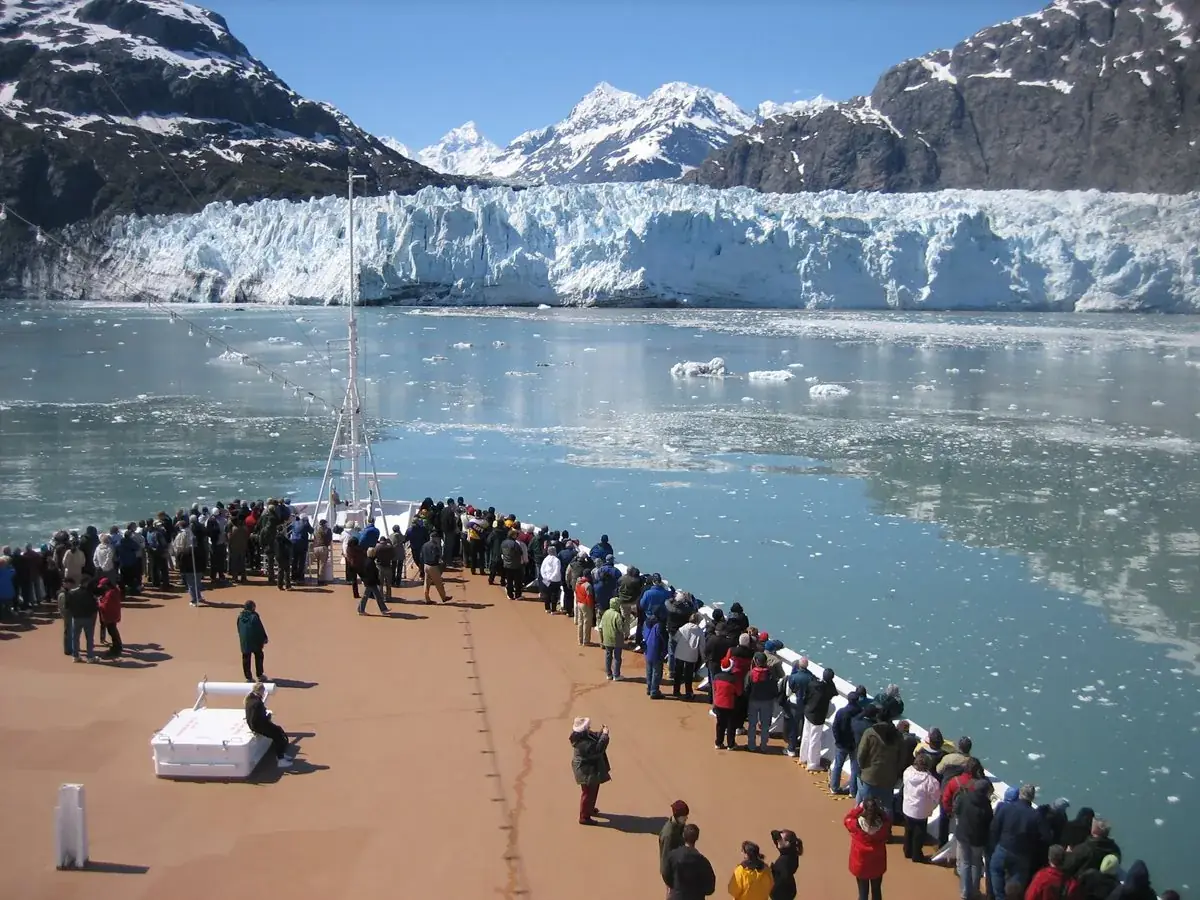
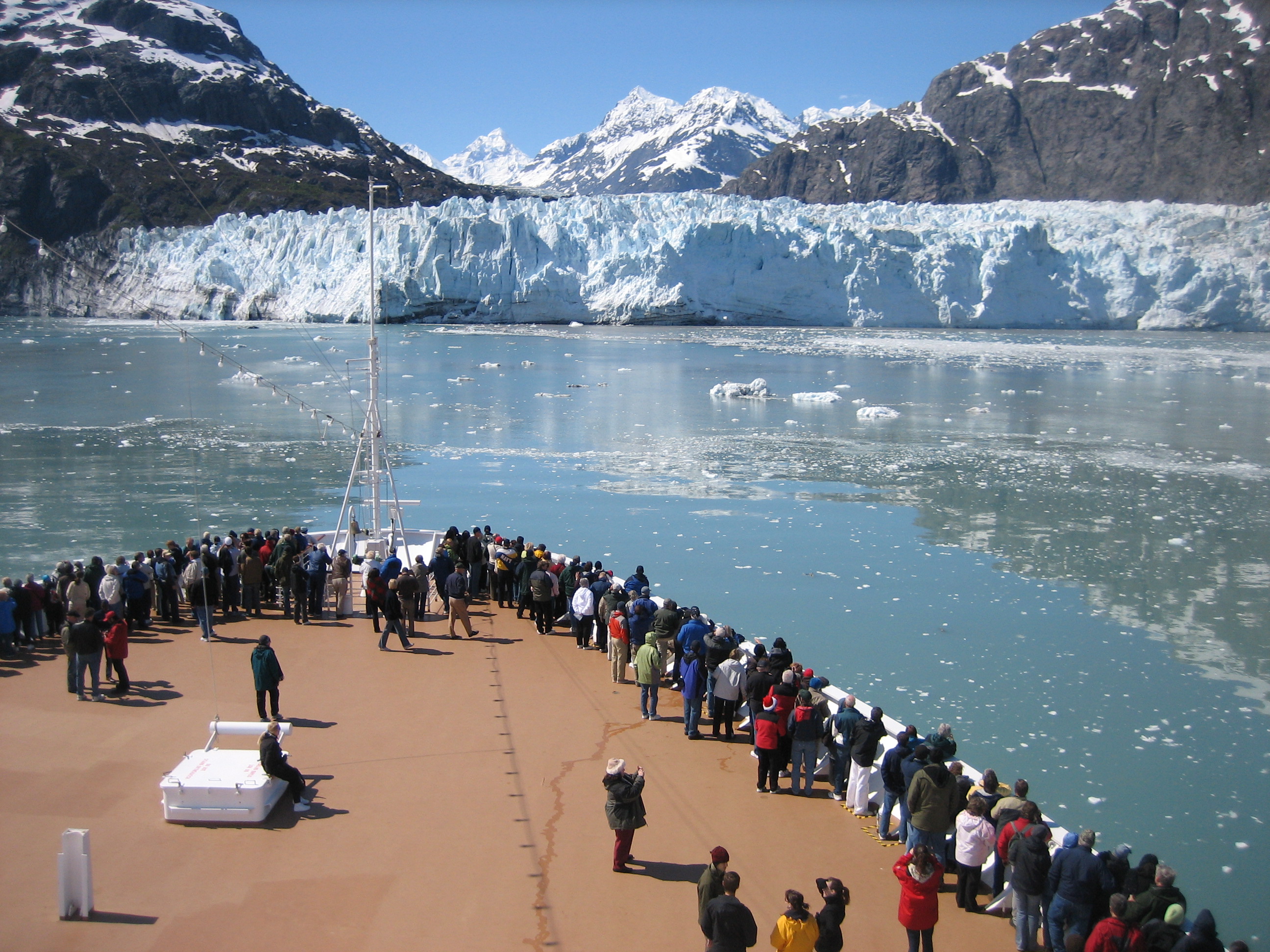
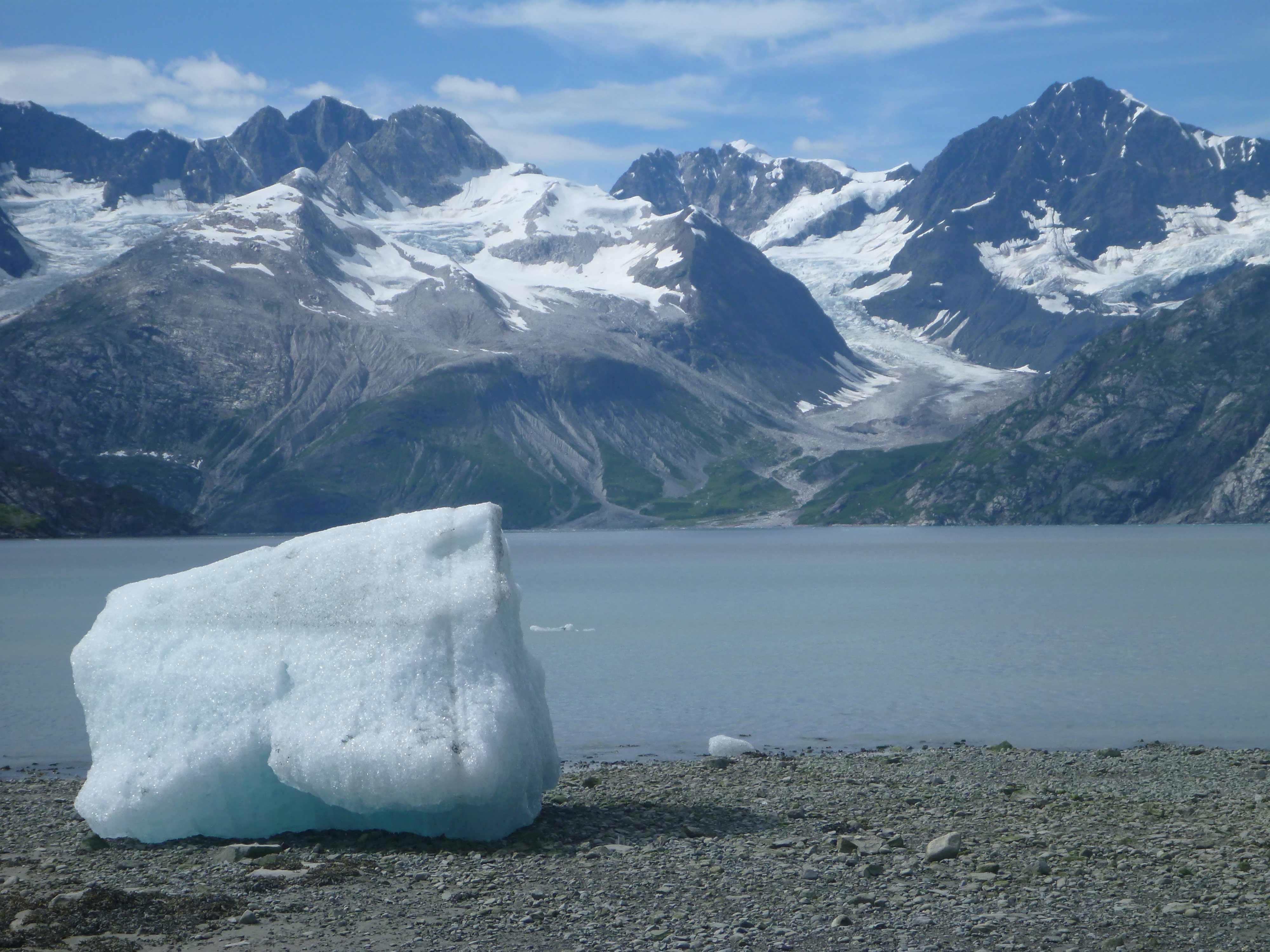
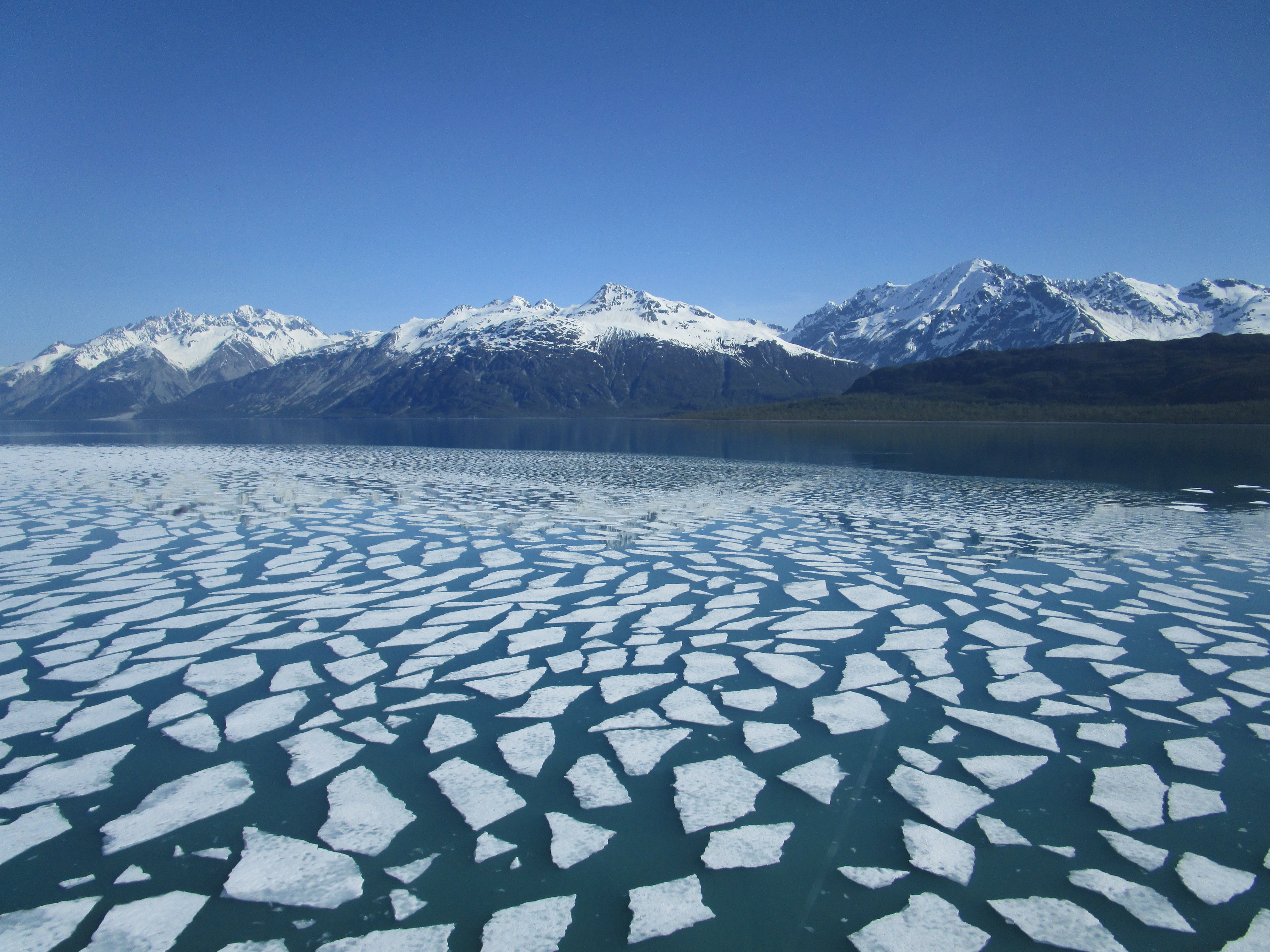
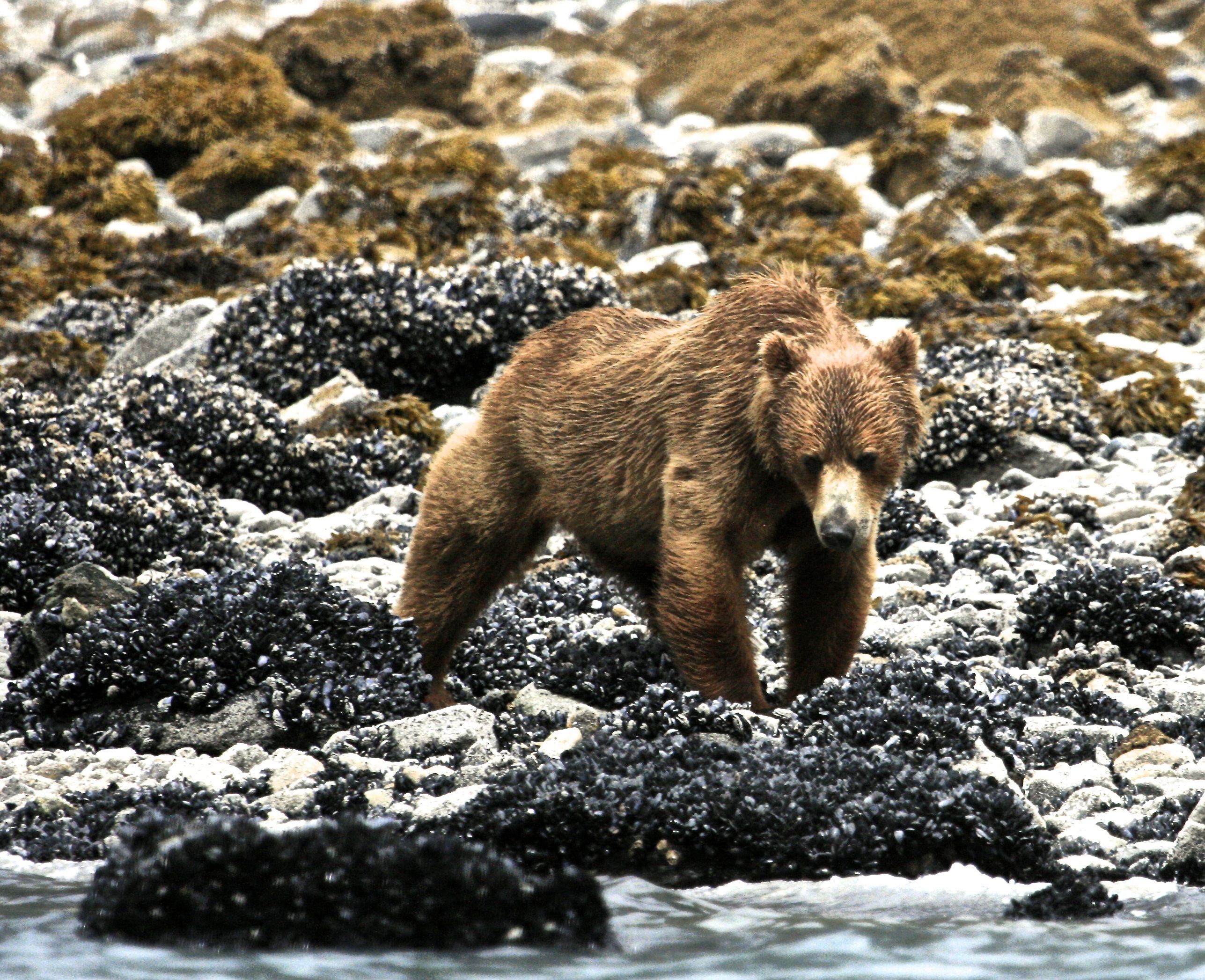
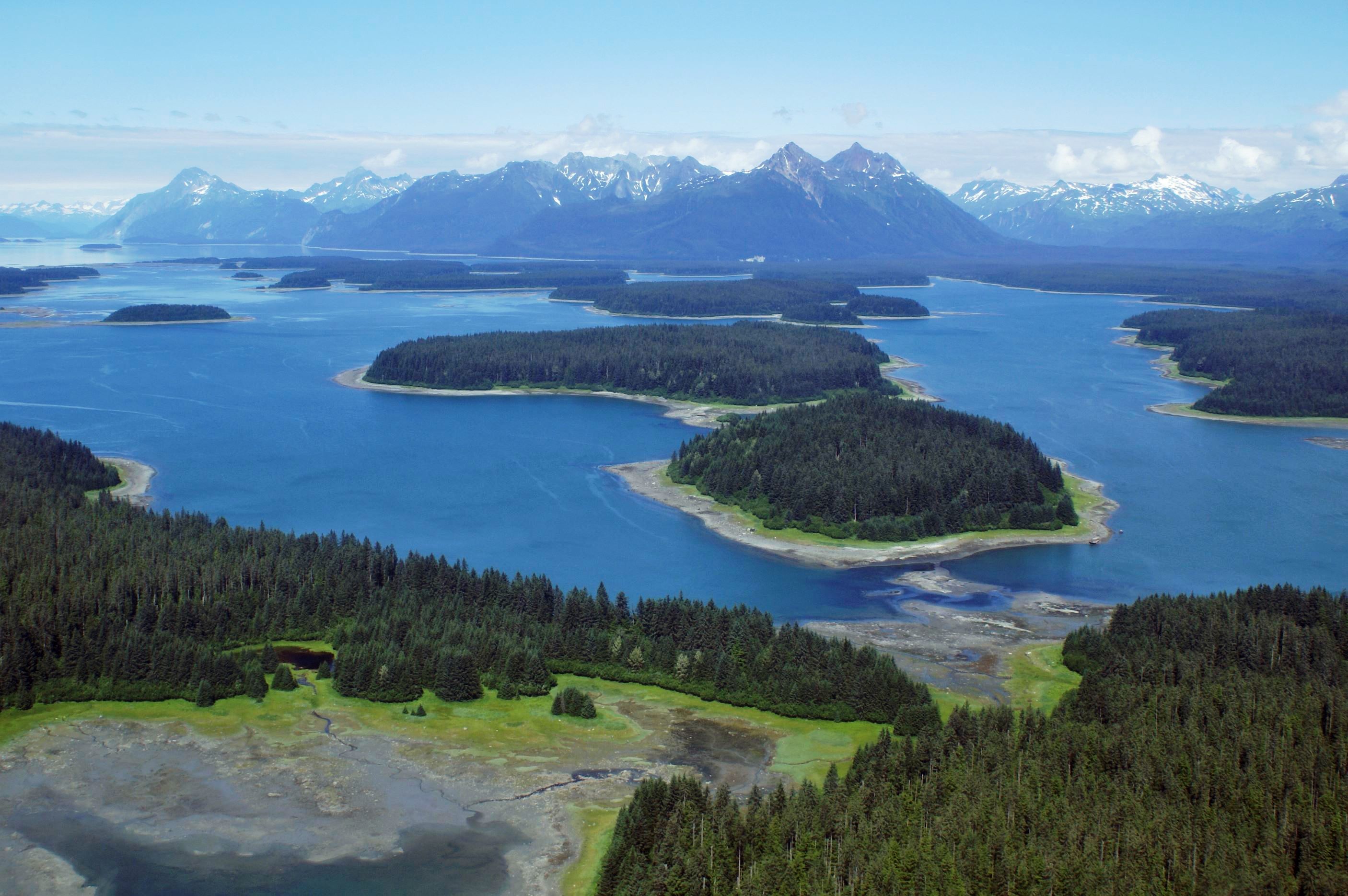
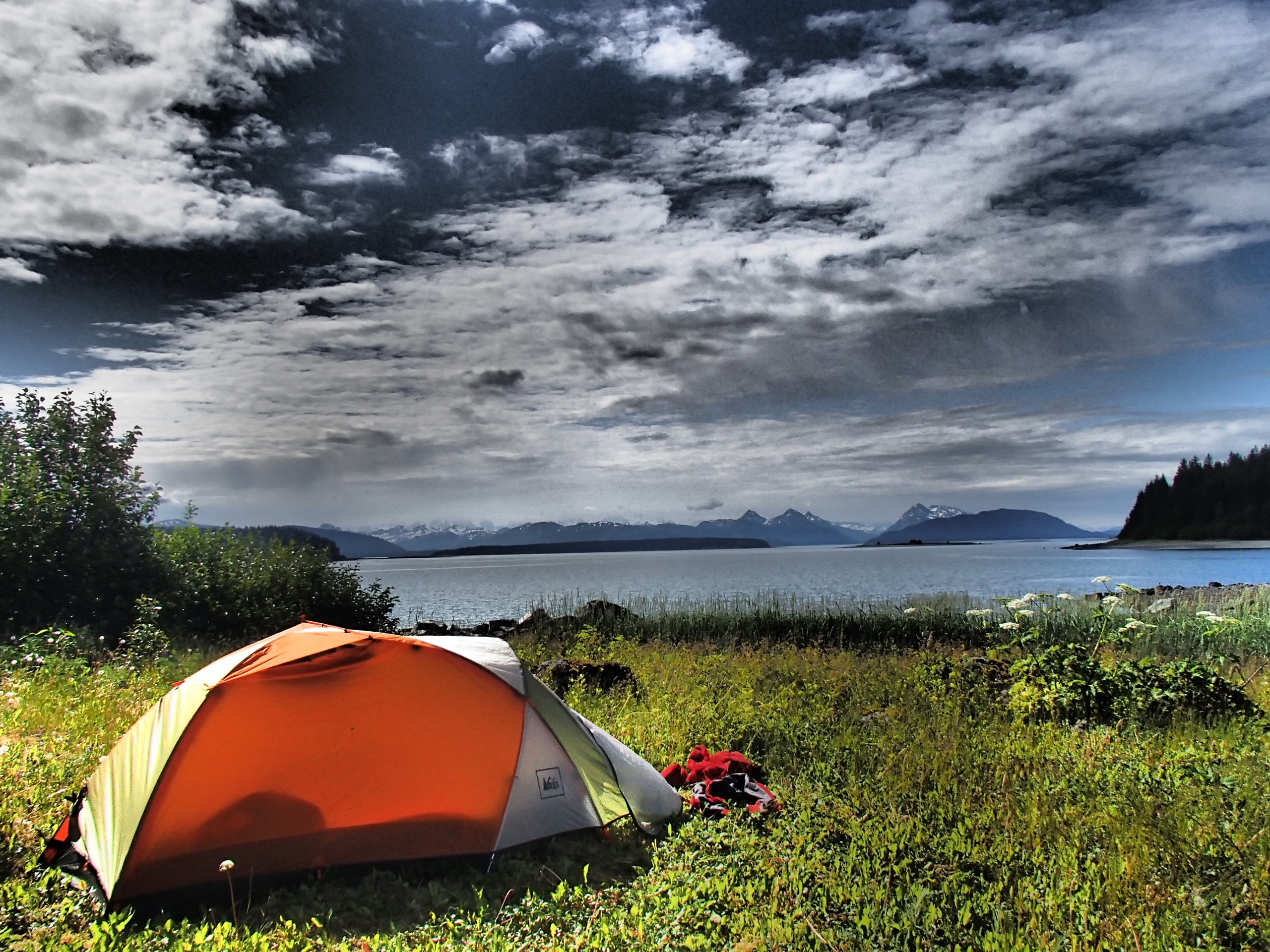



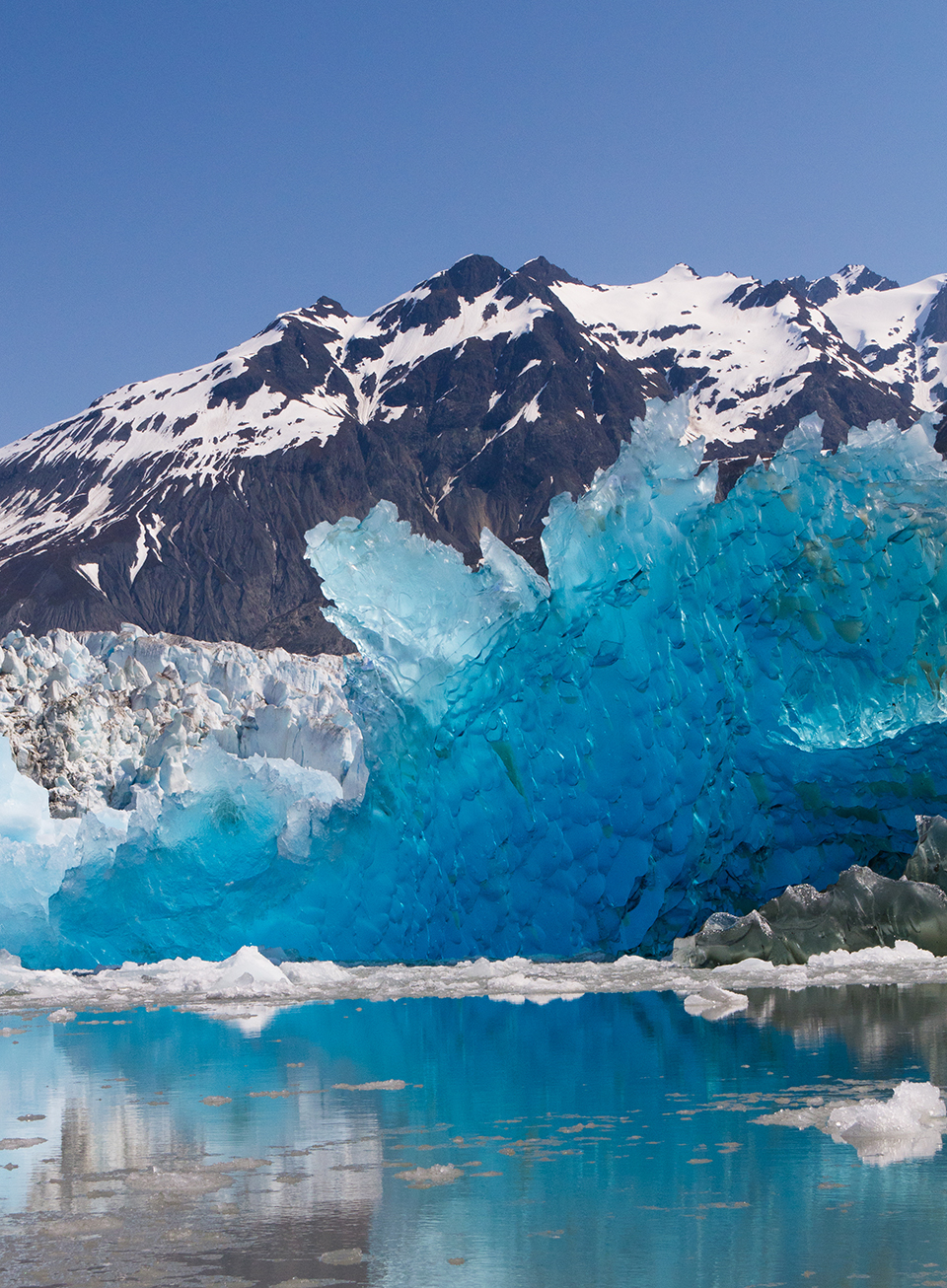
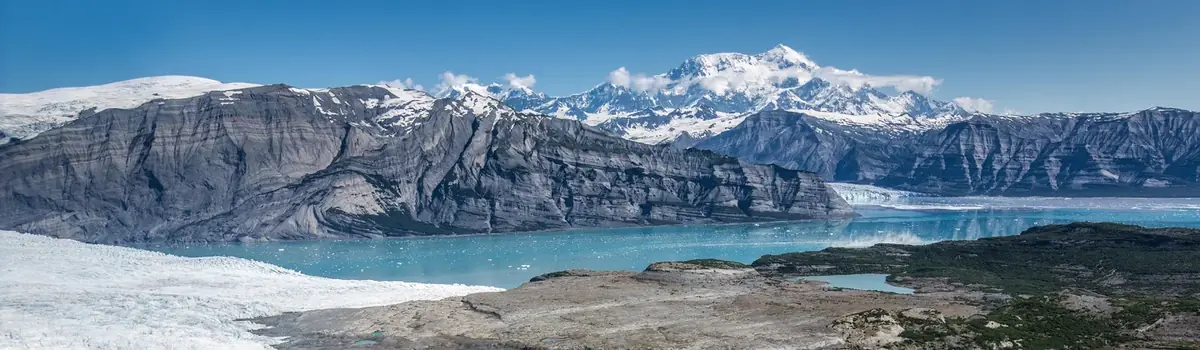 Mountains